Fukuoka 福岡

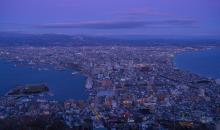
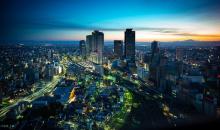
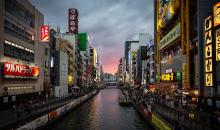
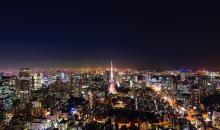
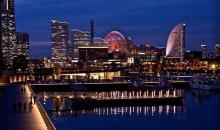
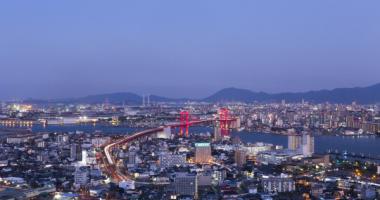
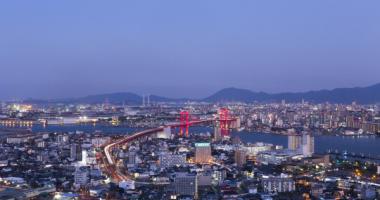
View of Fukuoka at night
Flickr CC Steffen Flor https://creativecommons.org/licenses/by-sa/2.0/
Local Time 19:31
-
Symbol : sunny_cloudy
Temp : 18.2°C
Date : Today
-
Symbol : sunny_cloudy
Temp : 21.9°C
Date : Tomorrow
-
Symbol : cloudy_rainy
Temp : 19.1°C
Date : Monday
-
Symbol : cloudy_rainy
Temp : 16.9°C
Date : Tuesday
Fukuoka, the capital of the south
Vibrant and sunny, pleasant and gourmet, Fukuoka is the economic hub and cultural heart of Kyushu Island. The island's largest city has a strong identity, forged by centuries of trade with its Asian neighbors.
The history of Fukuoka
Fukuoka owes its destiny to its geographical location: nestled on the northern coast of the island of Kyushu, facing South Korea and China, it quickly became the gateway to foreign influences in Japan. The Chinese writing system (in kanji) and Buddhism passed through Fukuoka in the 4th century before being adopted by the government. It was also through Fukuoka that Kubilai Khan attempted to invade Japan in 1274.
Originally, the city of Fukuoka was divided into two distinct parts, separated by the Naka River:
- to the north, Hakata, the merchant, and popular district;
- to the south the lordly town of the Kuroda clan, Fukuoka.
The two cities merged in 1889, taking the name of Fukuoka. Today the 8th largest city in Japan with a population of over 1.5 million, Fukuoka is a young city with dynamic growth.
What areas to see in Fukuoka?
Lively and relaxed, the large district of Hakata remains today the heart of the city, the conservatory of its traditions. Hakata Station is the center of the city, so to speak. From the Hakata Gion festival to local slang and handicrafts, everything is showcased at the Hakata Machiya Folk Museum.
Don't miss Tenjin, the city's business center, which also houses shrines and a shopping district. Not far away is the small Daimyo district, a trendy center with many designer shops. The Gion district is home to some traditional nuggets.
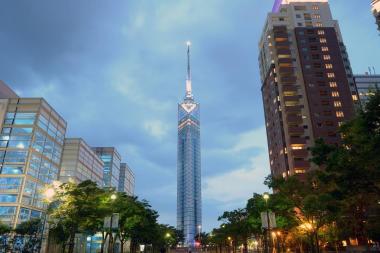
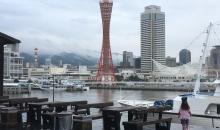
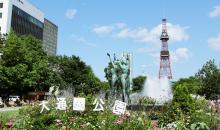
La tour de Fukuoka, un des emblèmes de la ville
Pixabay
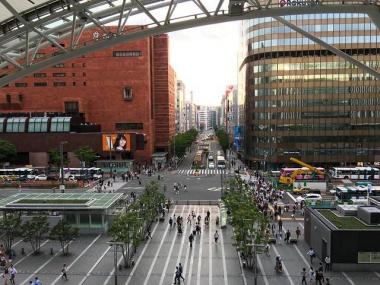
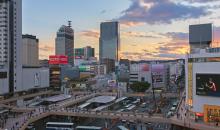
Vue depuis la gare d'Hakata
Flickr CC Daniel Ramirez
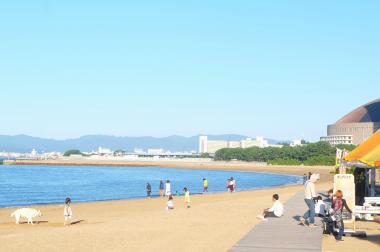
La plage de Momochi
MM
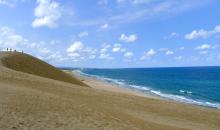
Those who love the sea will go for a walk in Momochihama, Fukuoka's tower district, nestled by its sandy beach attracting beach lovers during the hot summer months.
- Read also: Our Travel Angel's top 10 of Fukuoka
Fukuoka, the city of ramen
A city of merchants like Osaka, Fukuoka also has a very strong culinary identity. This is because it is from this city that the famous ramen come, these delicious Chinese noodles immersed in a broth, accompanied by pork, egg, or marinated bamboo shoots.
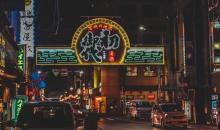
Almost every region has its own recipe for ramen in Japan. In Fukuoka, the specialty is tonkotsu ramen (or hakata ramen), prepared with a pork bone broth, a particularly tasty version of the dish. The must: go and taste a bowl in the yataï (street stalls) of Nakasu (the small island near the mouth of the Nakagawa River). Take a stool in front of these small caravans along the river, and immerse yourself in the joyful atmosphere sure to satisfy the most discriminating râmen lovers!
Would you like to try some of these famous ramen? Discover our best addresses in the city:
- Shin Shin, in the Tenjin district (3-2-19 Tenjin, Chuo, Fukuoka, 810-0001)
- Hakata Issou, another city institution (Hakataekihigashi 3-1-6, Hakata, Fukuoka 812-0013)
- Hakata Ramen Zen, the cheap option (1-10-13 Tenjin, Chuo, Fukuoka, 810-0001)
What to see in Fukuoka?
Fukuoka is another way to see Japan. Younger than Kyoto, more relaxed than Tokyo, it has a distinctly southern feel. The city is also a good starting point for exploring Kyushu. The easiest way to get around is to use the three subway lines that criss-cross the city.
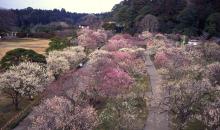
So don't hesitate to spend a few days in this amazing city, especially in autumn or winter, as the climate is mild and the plum blossoms are a beautiful sight.
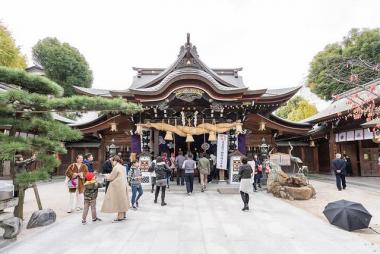
Der Kushida Schrein im Hakata-Viertel
Flickr CC Wei-Te Wong
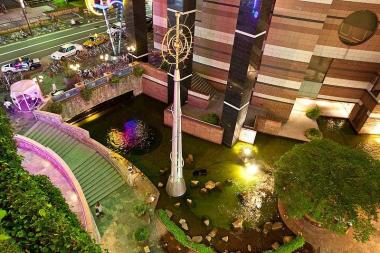
Fukuoka Canal City Hakata
JNTO
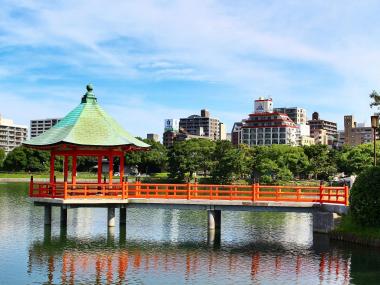
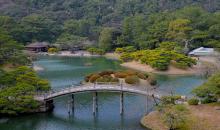
Ohori Park sits on what were once the moats of Fukuoka Castle
YURI KATO
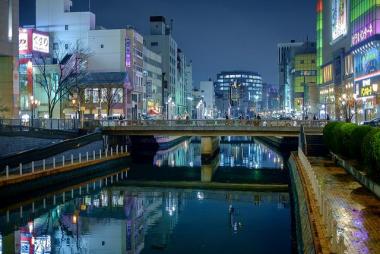
Quartier de Nakasu, Fukuoka
HRS_Kenzy
Here are some more places not to be missed:
- The neo-futuristic Canal City complex
- Fukuoka Tower, which towers 234 meters above the city with its panoramic view
- Maizuru Park and the ruins of Fukuoka Castle
- The large Ohori Park
- The ACROS building, a feat of architecture
The easiest way to get around Kyushu from Fukuoka is to rent a car.
See also our video about Fukuoka:
Discover Fukuoka


All the themes of the city





Interested by Fukuoka
Discover other cities to explore