Hiroshima 広島

View of the Dome of the Peace Memorial Park in Hiroshima.
©DR

Lanterns memorial ceremony in Hiroshima.
DR

La galerie commençante Hondori du centre d'Hiroshima
Wikimedia Commons

Una de las especialidades culinarias de la ciudad: el okonomiyaki de Hiroshima, el hiroshimayaki
DR

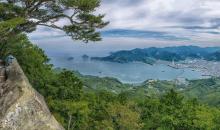
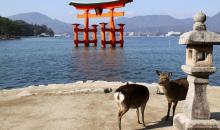
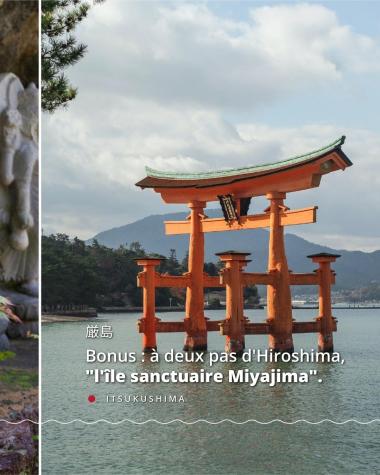
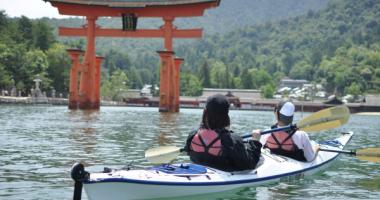
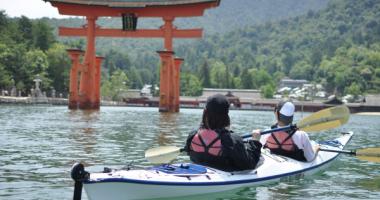
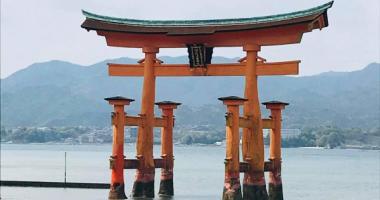
Itsukushima Shrine on Miyajima Island, near Hiroshima
©JNTO

Feux d'artifices à Hiroshima.
DR
Local Time 18:12
-
Symbol : cloudy_rainy
Temp : 20.2°C
Date : Today
-
Symbol : cloudy_rainy
Temp : 21°C
Date : Tomorrow
-
Symbol : cloudy
Temp : 15.8°C
Date : Wednesday
-
Symbol : cloudy
Temp : 16°C
Date : Thursday
Visit Hiroshima, a city shaped by history
What is Hiroshima about? Of a trauma, that of the first atomic bombing, the atrocity of nuclear fire revealed to humanity. Of an ideal, that of a radical and unapologetic pacifism that constantly reminds the world of the true face of war. A city, last but not least, with a unique aura, a mixture of the burning memory of the past and an unshakeable faith in the future.
L'histoire de la ville de Hiroshima
Capitale de la préfecture du même nom, Hiroshima est la ville la plus importante de la région de Chûgoku, avec plus d'un million d'habitants. Elle est aujourd'hui l'un des principaux centres industriels et portuaires de l'ouest du Japon.
Universellement connue à cause des bombardements atomiques du 6 août 1945, c'est aussi devenue une ville symbolisant la paix et le pacifisme dans le monde entier.
Hiroshima fut fondée en 1589 sur le plus grand îlot du delta né de la rencontre de la rivière Ôta et de la mer intérieure de Seto.
Le seigneur médiéval Mori Terumoto (1553-1625) y établit son château pour profiter de sa situation géographique charnière et de la proximité de l'île de Miyajima et son sanctuaire sur l'eau, Itsukushima.
La cité prend une importance nationale à l'aube de l'ère Meiji (1868-1912).
The history of Hiroshima
The capital of the prefecture of the same name, Hiroshima is the most important city of the Chûgoku region, with more than one million citizens. It is universally known because of the bombings of 6 August 1945. Today, it is one of the main industrial and port centers in western Japan. It has also become a city symbolizing peace and pacifism throughout the world.
Hiroshima was founded in 1589 on the largest islet in the delta where the Ôta River meets the Seto Inland Sea. The medieval lord Mori Terumoto (1553-1625) established his castle there to take advantage of its pivotal geographical location and the proximity of the island of Miyajima and its water shrine, Itsukushima. The city took on national importance at the dawn of the Meiji era (1868-1912).
The rapid industrialization of the country transformed Hiroshima into a logistical base for the Japanese Imperial Army. The city, with a population of just over 80,000, took off economically and industrially. The port of Ujina, later renamed Hiroshima Port, was built in the 1880s. The Sanyo railway line was extended in 1894, connecting the city closer to the rest of the country. On the eve of the First World War, Hiroshima was a major economic, cultural and military center of Japan. The Great War confirmed Hiroshima's role as a major military base for Japan, supporting the Allies.
The tragedy of the atomic bomb in Hiroshima
Initially spared by the American aerial bombardment, which was concentrated on Tokyo, Hiroshima was to become the first city in history to suffer an atomic bombing. While Nazi Germany surrendered on 8 May 1945, Japan refused to give up its weapons.
To force Japan to sign an armistice, the American president, Harry Truman, decided to use nuclear weapons, and Hiroshima was chosen for its crucial role in the military supply of the archipelago. On Monday 6 August 1945, at 8.15 am, a B-29 bomber flew over the city and dropped an atomic bomb called "Little Boy". This bomb exploded at an altitude of 600 meters, above the Shima Hospital, in the heart of the city.
The damage was unprecedented. Of the 350,000 citizens of Hiroshima at the time, 75,000 were killed instantly. Radiation-related injuries brought the death toll to approximately 250,000 in the following months and years. About 70% of the buildings were destroyed. The city became a "charred plain" (yakenohara in Japanese). Sharing the same fate in Nagasaki on 9 August, Japan finally surrendered on 2 September 1945, marking the end of the Second World War.
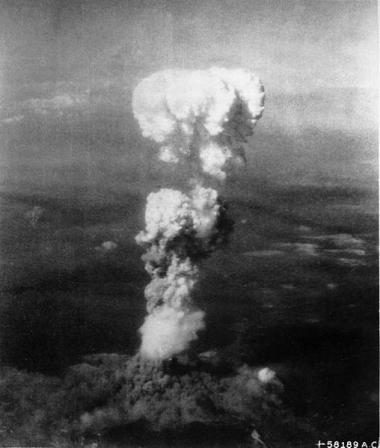
Nuage de la bombe atomique
Wikimedia Commons
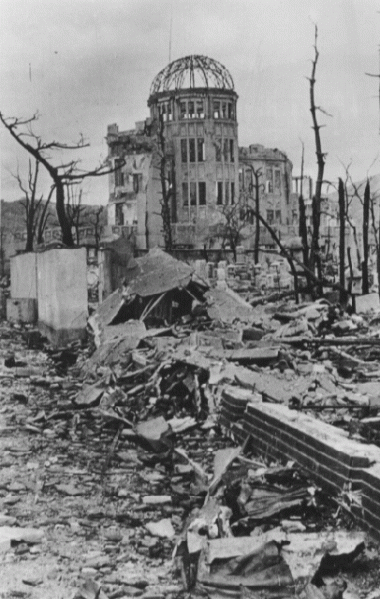
Le dôme d'Hiroshima détruit
Wikimedia Commons
Hiroshima after the war: a symbol of peace
After the trauma, a plan to rebuild Hiroshima was launched, notably through the Hiroshima City Peace Memorial Construction Act, passed by the government in 1949, which provided funding to revive the city.
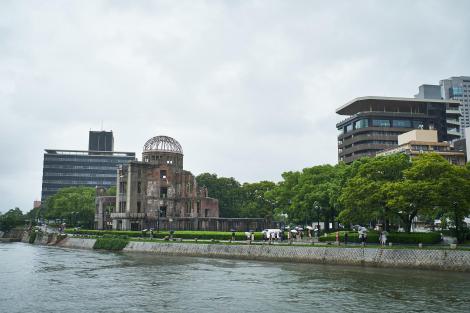
The aftermath is invisible, and rapid and vital reconstruction has erased the destruction. The ruins of the dome in the Peace Memorial Park, which stand in mute pain, are the only remnants still visible when one visits Hiroshima. Despite the reluctance of the American and Chinese governments, the monument was designated a UNESCO World Heritage Site on 5 December 1996.
The shadow of past suffering is imprinted on the smiles of these old women, on the quivering leaves of the surviving trees of the Ikari shrine. Yet in the face of despair, Hiroshima has imposed its faith in the future. Martyrdom and then miraculous, the city has experienced the worst and the best of Man.


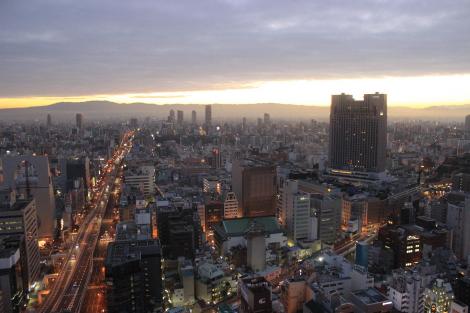
What to do in Hiroshima?
Today, Hiroshima is undoubtedly bustling and fascinating, like many Japanese cities. Conveniently connected to the other regions and cities of the archipelago by the shinkansen, it has become a popular tourist destination, attracting visitors from around the world.
-
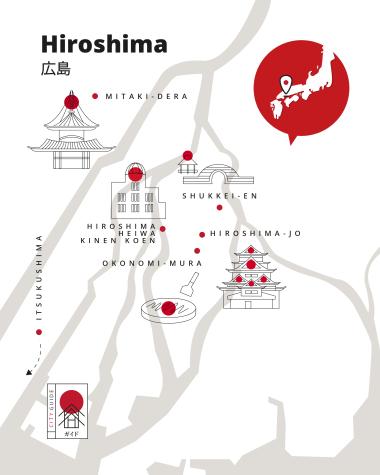
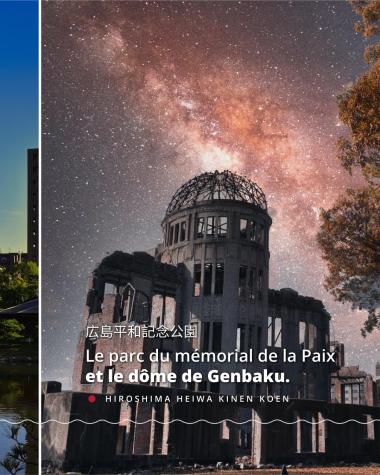
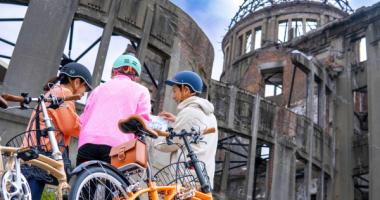
Peace Memorial Park and Genbaku Dome
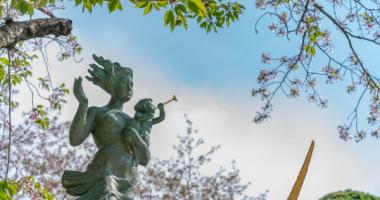
A must-see in the city, a place of remembrance and reflection. The park is home to various memorials: the famous dome, the Peace Memorial Museum, a tribute for the victims of the bomb, the Children's Peace Monument, the Peace Flame, the Peace Bell... Not to be missed, to recognize mankind's past failure.
Address: 1-2 Nakajima-cho, Naka-ku, Hiroshima
-
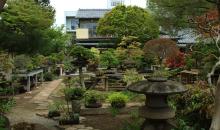
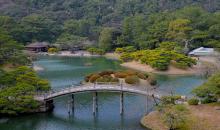
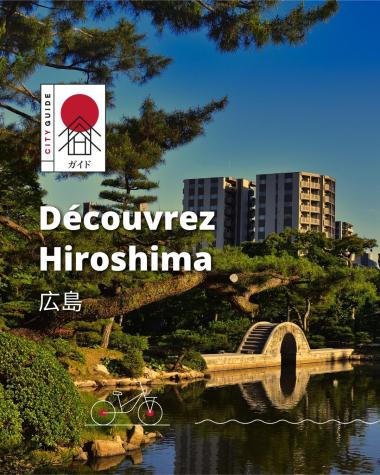
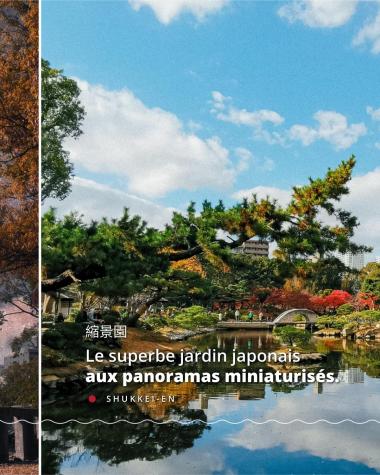
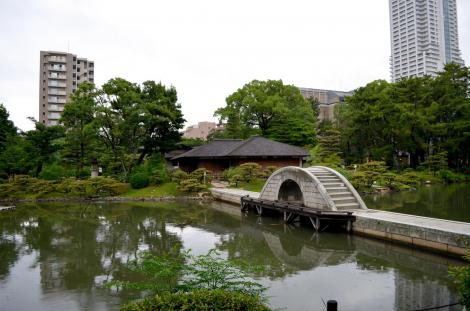
The Shukkei-en garden
Shukkei-en was created in 1620 for a samurai lord and is a beautiful little Japanese garden. With its large pond, hills, bonsai trees, and granite bridge, it offers miniature panoramas. A must-see!
Address: 2-11 Kaminobori-cho, Hiroshima
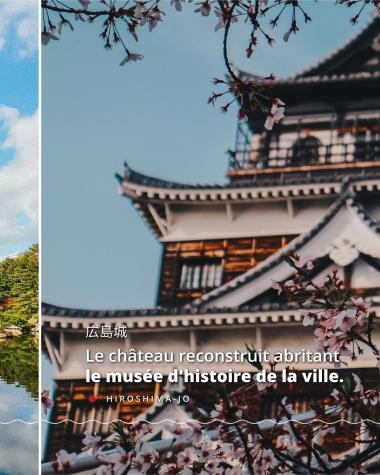
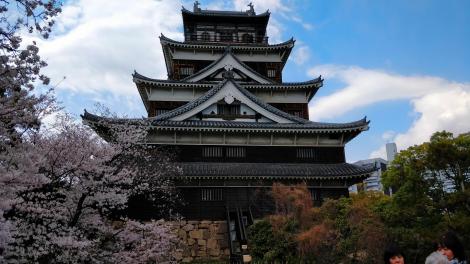
- Hiroshima Castle
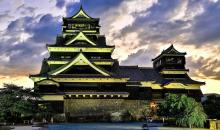
Built in 1590, the castle was destroyed by the atomic bomb, but reformed identically in 1951. It now houses the city's history museum.
Address: 21-1 Motomachi, Naka-ku, Hiroshima
-
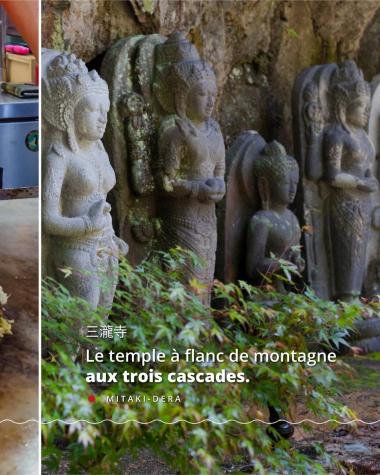
Mitaki-dera temple
A little out of town, the Buddhist temple Mitaki-dera with its three waterfalls is a delight to discover, especially in autumn during the koyo.
Address: 411 Mitaki-yama, Nishi-ku, Hiroshima
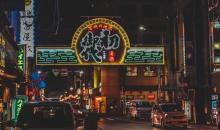
- The Hondôri district and its shopping street
The Hondôri district in the city center, with its covered shopping arcade of the same name, is a must for shopping, eating, and drinking, and above all for experiencing the relaxed atmosphere of the city.
Address: Hondôri, Naka-ku, Hiroshima, 730-0035
-
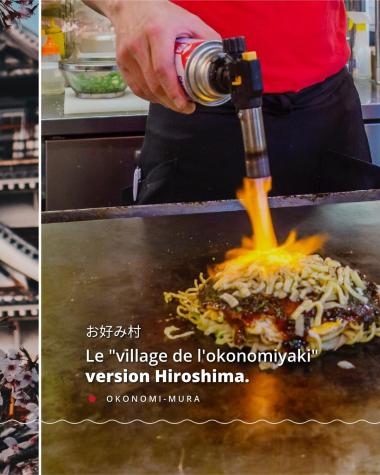
Okonomimura
Hiroshima is renowned for its gourmet cuisine. The great specialty of the city? Okonomiyaki, Hiroshima's version: noodles are added to the classic recipe. So there's nothing like going to Okonomimura, the temple of okonomiyaki, where about twenty restaurants are gathered.
Address: 5-13 Shintenchi, Naka-ku, Hiroshima, 730-0034
-
The Museum of Contemporary Art
In the heart of a unique and original building, lies the opportunity to discover the work of contemporary Japanese artists. The museum walkway also offers a beautiful view of the city.
Address: 1-1 Hijiyama-koen, Minami-ku, Hiroshima
To go further:
All the themes of the city
Interested by Hiroshima
Discover other cities to explore