Nagoya 名古屋

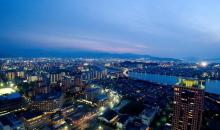
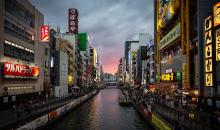
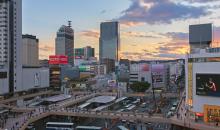
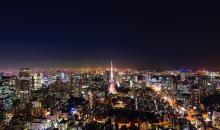
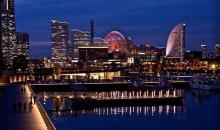
View of Nagoya by night
FlickrSven Krause

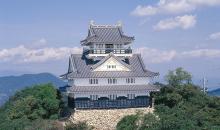
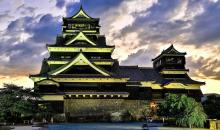
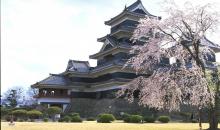
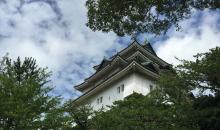
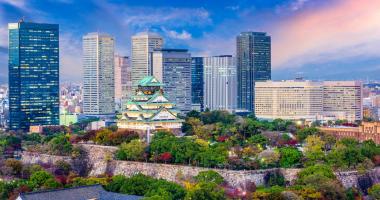
Le château de Nagoya
Wikimedia Commons

La gare de Nagoya, Mei-eki
JNTO

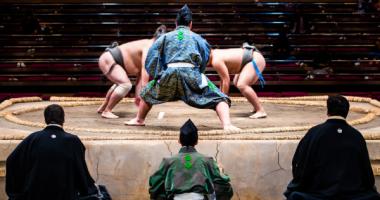
Compétition de sumo au gymnase de la ville de Nagoya
nic450001

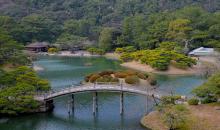
À faire à Nagoya : le jardin Tokugawa-en
JNTO

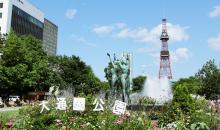
Oasis 21 dans le quartier de Sakae à Nagoya
kinpi3
Local Time 04:15
-
Symbol : cloudy
Temp : 13°C
Date : Today
-
Symbol : sunny_cloudy
Temp : 19.7°C
Date : Tomorrow
-
Symbol : cloudy
Temp : 20.7°C
Date : Monday
-
Symbol : cloudy
Temp : 19.6°C
Date : Tuesday
Nagoya, capital of Japanese industry
In the heart of the Chubu region, Nagoya is the fourth largest city in Japan behind Tokyo, Yokohama and Osaka. It’s known more for Toyota and its industrial port than for its appeal to tourists. However, Nagoya has so much to offer with its castle, Atsuta Shrine, sumo tournaments and delicious cuisine.
Nagoya's story
The fate of the capital of Chûbu is closely linked to that of a key figure in Japanese history: Ieyasu Tokugawa, the first shogun of a long dynasty.
In 1601, he decided in particular to build five roads connecting the major Japanese cities, and made Nagoya an important stopover in the Minoji, a secondary road connecting the Tokaido road - between Tokyo, then the political capital, and Kyoto, where the emperor - to that of Nakasendô .
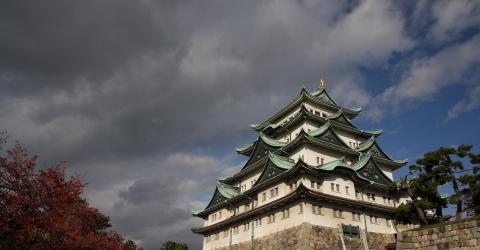
In 1610, the shogun had a castle built for his seventh son, Yoshinao, on a promontory in the north of the city. It quickly becomes a symbol to visit in Nagoya, but will be destroyed by American bombs in 1945, like much of the city.
Today, Nagoya is the capital of Aichi Prefecture , one of the most economically dynamic regions in Japan. The city is home to the headquarters of large corporations with international reach such as Toyota, Honda and Mitsubishi Motors. It was in the 1920s that the automotive industry began to develop there. It is thus often compared to Detroit in the United States.
In addition, it should be noted that the city was subjected to numerous bombings during the Second World War , and was thus largely rebuilt after the war. This is why there are fewer old quarters, temples and shrines there than in other cities such as Kyoto.
Places to visit in Nagoya
Less than 2 hours from Tokyo by shinkansen , Nagoya can be discovered for a day, or in a few days. So what are the must-see attractions and places?
-
Nagoya Castle . Address: 1-1 Honmaru, Naka Ward, Nagoya, Aichi 460-0031
-
Sakae district and Oasis 21 mall. Address: 1-11-1 Higashisakura, Higashi Ward, Nagoya, Aichi 461-0005
-
The Midland Square building and its observatory over the city. Address: 4-7-1 Meieki, Nakamura Ward, Nagoya, Aichi 450-0002
-
The Atsuta shrine . Address: 1-1-1 Jingu, Atsuta Ward, Nagoya, Aichi 456-8585
-
Museums: Nagoya City Art Museum, Tokugawa Museum, Aichi Prefecture Art Museum, Toyota Automobile Museum (for car enthusiasts!)
-
Nagoya Harbor Aquarium . Address: 1-3 Minatomachi, Minato Ward, Nagoya, Aichi 455-0033
-
The Osu Kannon temple . Address: 2-21-47 Ōsu, Naka Ward, Nagoya, Aichi 460-0011
-
Higashiyama Park. Address: Kameiri Tashirocho, Chikusa Ward, Nagoya, Aichi 464-0000
-
The summer sumo tournament (15 days in July)
Things to see and do in Nagoya in details
There is plenty to see and do in Nagoya, including Nagoya Castle, completed in 1612 and in the adjacent park, Toyota Automobile Museum, Tokugawa Art Museum, Tokugawa-en Garden, Nagoya Port Aquarium. For shopping, the Osu shopping area is good for electronics, Sakae, the Nagoya Station, with its large shopping areas and major department stores.
-
Nagoya Museums
Nagoya has some excellent museums including the highly recommended Tokugawa Art Museum and the adjacent Tokugawa-en Garden, the Toyota Automobile Museum, the Toyota Commemorative Museum of Industry and Technology in Sako, close to Nagoya Station, as is Noritake Garden - a showpiece space for the world famous Noritake ceramics range and the more recent Nagoya SCMAGLEV & Railway Park and Legoland Japan in the Nagoya Port area. Close to Kanayama Station is the Nagoya Boston Museum of Fine Arts. Other museums include the Nagoya City Museum, the Nagoya City Science Museum, the Aichi Prefectural Museum of Art and the Nagoya City Art Museum.
-
Nagoya Temples & Shrines
Nagoya's most important shrine is the large Atsuta Shrine - one of Japan's three most important Shinto shrines. Temples in Nagoya include Koshoji Temple and its pagoda in Yagoto, Toganji Temple in Motoyama, Nittaiji Temple in Kakuozan and the lively Osu Kannon Temple in Osu, around which is a lively monthly flea market and Nagoya's electronics town.
-
Nagoya's Parks
Nagoya's main parks include Tsurumai Park famous for its cherry blossoms, the large Tenpaku Koen in the eastern suburbs, Heiwa Koen, also a favorite in spring for cherry blossoms, the Expo 2005 Aichi Commemorative Park in Seto and the thin strip of Hisaya Odori Park in Sakae, a favorite spot for events of all kinds, including annual beer and food festivals.
The Nagoya City Wild Bird Observation Center is set in Inae Park in the large estuary created by the Shonaigawa, Shinkawa and Nikkogawa rivers near Nagoya Port. Other large parks are Shonai Ryokuchi Koen with a large boating lake and pick-up games of soccer for expats and locals, the massive drive in Odaka Ryokuchi Koen and the pleasant Nagoya Agricultural Center near Hirabari on the Tsurumai Station, which attracts huge crowds for its hundreds of plum trees in blossom in March.
-
Nagoya Festivals
There are a number of interesting festivals in Nagoya and the surrounding Chubu area throughout the year. The bizarre Tagata Fertility Festival takes place annually on March 15 and has become increasingly popular.
The ancient and equally strange Konomiya Naked Festival occurs around the end of February, beginning of March depending on the lunar calendar.
The traditional Inuyama Festival takes place in nearby Inuyama on the first weekend of April. The horse festival at Tado Shrine near Kuwana in Mie is on the first weekend in May.
The spectacular Owari Tsushima Festival with boats covered in paper lanterns takes place on the 4th Saturday and Sunday in July.
Nagoya Festival is in October and features parades of large floats with participants in samurai costumes. Arimatsu Matsuri takes place on the first Sunday in October with floats pulled through the town famous for its traditional tie-dye Arimatsu shibori.
-
Nagoya Shopping & Entertainment
Nagoya's three main shopping and entertainment districts are Sakae, nearby Fushimi and increasingly the Nagoya Station area (Meieki). Department stores in Nagoya include Takashimaya in the Twin Towers of Nagoya Station, Matsuzakaya in Sakae, which has the largest floor space of any department store in Japan and Mitsukoshi also in Sakae.
Sakae remains Nagoya's most famous shopping area, especially for younger people and "Nagoya gals" - a tribe of expensively and extravangantly attired young Japanese women. Noted shopping malls are Lachic and Nadya Park, there are popular branches of the Apple Store, Louis Vuitton, Christian Dior and Agnes b. both inside Mitsukoshi.
There are branches of BIC Camera and Tokyu Hands at Nagoya Station and for cheap electronics and a regular flea market visitors should go to the Osu Kannon and Kamimaezu area of shotengai or covered arcades.
The Nagoya Station area is increasingly going high rise. The Central Towers of Nagoya Station contain the Takashimaya Department store with a branch of Tokyu Hands and an excellent basement supermarket for food shopping, there are restaurants on the upper floors of the Central Towers and the luxurious Nagoya Marriott Associa Hotel on the 15th floor. The nearby Meitetsu and Kintetsu stations also have their own recommended department stores. In addition, the Meieki underground shopping mall has a variety of shops, bars, cafes and restaurants. Across the street from Nagoya Station, the towering Midland Square has a multiplex cinema and there's another large multiplex at Sasashima Raibu, one stop from Nagoya Station on the Aonami Line or a short walk past the Nanachan Statue and the Kintetsu and Meitetsu stations.
Aichi Expo 2005 was held in the eastern suburbs of Nagoya and the Expo site is now a popular park, Ai-Chikyuhaku Kinen Koen. Access is by the Linimo from Fujigaoka Station on the Higashiyama Line of Nagoya's subway.

Oasis 21 et la Tour de Nagoya
Pixabay
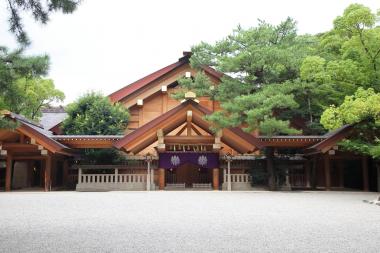
Sanctuaire Atsuta
Wikimedia Commons
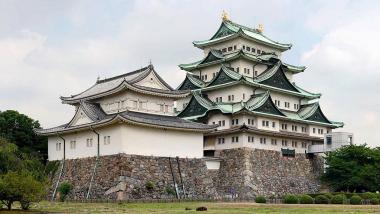
Château de Nagoya
Wikimedia Commons
Sports in Nagoya
-
Baseball: Nagoya Dome Home of the Chunichi Dragons of Japanese baseball's Central League. Access from the Nagoya-dome-mae subway station or Ozone Station.
-
Soccer: Nagoya Grampus Eight One of the founding teams of Japan's J-League featuring such alumni as ex-manager Arsene Wenger, who joined Arsenal from Grampus, and Gary Lineker who spent the last years of his career in Nagoya in the mid-90s. Grampus play some home games at the futuristic Toyota Stadium (by the celebrated Japanese architect Kisho Kurokawa, who also designed Oita Stadium, the Wakayama Museum of Modern Art, Kuala Lumpur Airport and the New Wing of the Van Gogh Museum, Amsterdam) and the rest at the less-atmospheric Mizuho Athletic Stadium in the south-east of the city, south of Yagoto. FC Gifu are a J2 club based at Gifu Nagaragawa Stadium, where the Chunichi Dragons also play a few games each season.
- Sumo: Nagoya's annual sumo tournament takes place at the Aichi Prefectural Gymnasium near Nagoya Castle in July.
Nagoya's culinary specialties
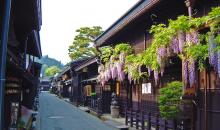
We find in Nagoya a small lively and lively district, Arimatsu , one of the few not to have been destroyed by the bombs in 1945. It is the ideal place to discover the typical recipes of the city :
- Kishimen , flat noodles served in miso broth
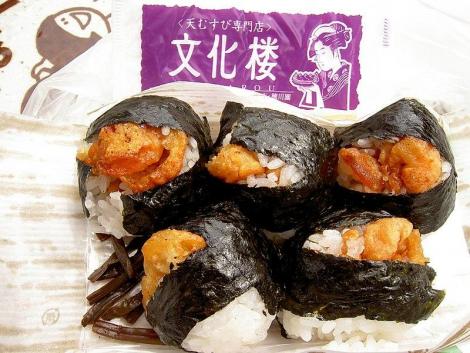
- Tenmusu , tempura shrimp wrapped in rice and a sheet of nori
- Miso breaded pork ( miso katsu ), served with a red miso sauce
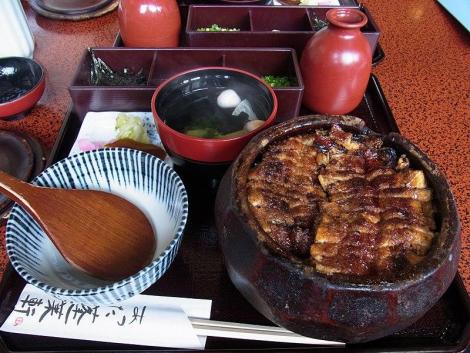
- Eel cooked over a wood fire , hitsumabushi
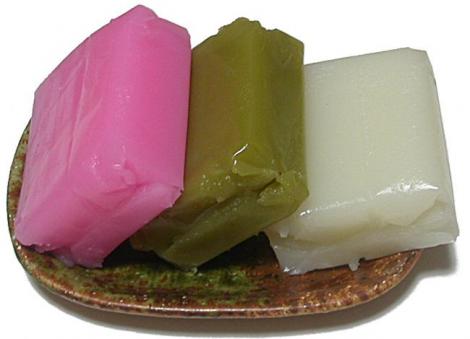
- The uirô , a traditional pastry made from rice flour, generally flavored with matcha, sakura flower or even yuzu.
In general, Nagoya's gastronomy is centered around miso (a fermented paste made from soybeans, cereals and salt), available in sauce or broth.
Nightlife and Eating Out in Nagoya
Nightlife areas include Sakae, Nagoya Station, Imaike & Fushimi.
Further from the center of the city you will find great restaurants, bars and cafes - mainly along the Higashiyama and Tsurumai subway lines in the up-market Yagoto, Irinaka, Motoyama and Imaike districts. The main foreigner-friendly hangouts are the HUB chain of pubs, and the Elephant's Nest and Shooters in Fushimi.


Access to Nagoya
-
By Air
The new Chubu International Airport - Centrair - (which opened in February 2005) is located on a man-made island about 40km south of Nagoya in Ise Bay. The new airport has taken over all international and the majority of domestic flights serving Nagoya and the surrounding region and was a main access point for visitors to Aichi Expo 2005. At present there are two direct flights to Europe with Lufthansa flying to Frankfurt in Germany and Finnair to Helsinki in Finland.
Access to Centrair is by Meitetsu express train service on the Tokoname Line to Chubu International Airport Station at the new Chubu Airport direct from Nagoya Meitetsu Station, with connections on to Toyohashi (via Jingu Mae Station), Inuyama and Gifu. The new service takes 28 minutes from Nagoya Station by the kaisoku Centrair service.
JR Bus operate bus services between the airport and Nagoya Station, whereas the Meitetsu bus to Centrair calls at various hotels in Fushimi and Sakae as well as the Oasis 21 bus center before going to Centrair. The bus journey takes about one hour and presently costs 1,000 yen. There are further bus services to other locations in the surrounding area and beyond.
Nagoya's previous international airport (Komaki) has reverted to a general purpose airport with commuter and private business flights. There are airport limousine buses to Komaki airport from outside the Meitetsu Melsa building near Nagoya Station and from Nishiharu Station on the Meitetsu Inuyama Line.
A taxi to central Nagoya costs around 12,000 yen (more after midnight) and takes about 50 minutes.
-
By Train
There are Shinkansen links west to Osaka, Kyoto, Hiroshima and Fukuoka and east to Shizuoka and Tokyo from JR Nagoya Station. There are direct JR trains from Nagoya to Takayama, Kanazawa, Toyama and Nagano.
Kintetsu also has trains from Nagoya Kintetsu Station to Tsuruhashi and Namba in Osaka (2 hours by Urban Liner or 2 hours 30 minutes by Express) with connections to both Nara and Kyoto. Kintetsu also runs trains to Ise, Kuwana, Yokkaichi, Tsu and Matsusaka.
Meitetsu trains run in the greater Nagoya and Chubu area and connect Nagoya to Inuyama, Gifu, Toyohashi, Okazaki, Arimatsu, Utsumi, Handa, Tokoname, Centrair, Kiyosu and Toyota.
-
By Bus
There are day and night highway bus services from Nagoya to Tokyo, Osaka, Kyoto, Hiroshima, Fukuoka and Nagasaki. There are also Meitetsu buses to Gujo Hachiman and Shirakawa-go as well as Meitetsu bus services to Toyota, Takayama (9 buses a day; 2900 yen single; 5000 yen return), Kanazawa (10 buses a day; 2900 yen single; 5000 yen return), Kobe, Nara, Tokushima, Awaji Island, Kochi, Matsuyama, Fukuoka, Nagasaki, Beppu, Kumamoto, Sendai, Shinjuku, Fuji Goko, Nagano, Matsumoto, Ina & Minowa, Iida, Hirugami Onsen, Toyama, Fukui and Kyoto. Local Nagoya bus services connect the outer suburbs to the nearest Nagoya subway station. Sakae has some late night buses and another useful Nagoya city buses run between Yagoto and Kanayama and Yagoto and Imaike.
-
By Ferry
The Taiheiyo ferry operates between Nagoya and Tomakomai (Hokkaido) via Sendai (around 21 hours). Ferries depart from Nagoya-futo pier, a 40 minute journey by bus from Meitetsu bus station or take the Meijo Line to Nagoya-ko Station. There are Meitetsu ferries from Kowa on the Chita Peninsula to the small islands of Himakajima and Shinojima.
Getting Around Nagoya
The Nagoya subway system has six lines which cover much of the city in addition to the above ground Aonami Line which runs out to Nagoya port from Nagoya Station. Nagoya Station, Kanayama, Imaike, Yagoto, Heian-dori, Aratami-bashi, Sakae and Motoyama are some of the busiest intersections.
Downtown Nagoya is served by a 100 yen yellow loop bus which circulates in the Meieki, Sakae and Fushimi areas. The Nagoya Sightseeing Loop Bus (Meguru) costs 210 yen for a single ride or 500 yen for a day pass. Manaca smart cards are also accepted. The bus runs in a loop from Nagoya Station stopping at the Toyota Commemorative Museum of Industry and Technology, Noritake Garden, Nagoya Castle, Tokugawa-en and the Tokugawa Art Museum, the Cultural Path Futaba Museum (the former residence of Sadayakko Kawakami), the Nagoya City Archives (former Nagoya Court of Appeals building), Nagoya TV Tower in Sakae, Hirokoji Street and Fushimi before returning via Nagoya Castle, Noritake Garden and Toyota Commemorative Museum of Industry and Technology to Nagoya Station.
A Maglev train called Linimo runs out to the former Expo 2005 site from Fujigaoka, the last stop on the eastern end of the Higashiyama subway line. The Linimo stops at Hanamizuki-dori, Irigaike-koen, Nagakute Kosenjo, Geidai-dori, Koen Nishi, Ai Chikyuhaku Kinen Koen, Tojishiryokan Minami and Yakusa.
Day Trips from Nagoya
-
Inuyama
Inuyama is home of one of Japan's most beautiful castles on the 'Japanese Rhine'; Meiji Mura open-air museum - Meiji era buildings relocated in pleasant surroundings, including the Imperial Hotel Entrance and Lobby by Frank Lloyd Wright; bizarre fertility festival at Tagata Jinja. (Meitetsu line)
-
Ise
Japan's most sacred shrine, the Imperial Ise Jingu. Ritually rebuilt every 20 years and enshrining Amaterasu Omikami, Japan's chief ancestral goddess.
-
Gifu
Gifu makes for a pleasant day trip from Nagoya city and can be reached in about 30 minutes by either JR or Meitetsu train from Nagoya station. Gifu Castle has a commanding view of the Nagara river and can be reached by a steep climb on foot or by ropeway. Gifu is also noted for its ukai (cormorant fishing) from May to October. From Gifu it is easy to visit the historic town of Gujo Hachiman, famed for its traditional, all-night dancing in mid-summer.
-
Toyohashi
Toyohashi has pleasant parks, a castle, some other historic buildings and a fun zoo and amusement park. Hamamatsu Hamamatsu, 35 minutes further east of Toyohashi on the JR Tokaido Line or just 15 by shinkansen, is famous for its production of musical instruments and motorbikes. Lake Hamana (Hamanako) is Japan's 10th largest lake and a popular resort in summer for marine sports and in winter for its hot spas.
-
Kiso Valley - Magome & Tsumago
The two Edo Period post towns of Magome & Tsumago on the Nakasendo in the beautiful Kiso Valley are less than two hours from Nagoya by public transport or car. Hikers can also get on the Nakasendo at Ena or Nakatsugawa. Take a JR train from Nagoya Station.
All the themes of the city

Interested by Nagoya
Discover other cities to explore