Shizuoka 静岡

Shizuoka
Alek Auddy de Pixabay
Local Time 16:38
-
Symbol : cloudy_rainy
Temp : 15.5°C
Date : Today
-
Symbol : sunny
Temp : 20°C
Date : Tomorrow
-
Symbol : sunny_cloudy
Temp : 22.7°C
Date : Friday
-
Symbol : cloudy_rainy
Temp : 15.1°C
Date : Saturday
The land of green tea
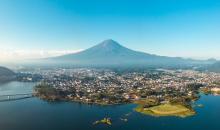
Nestled at the foot of Mount Fuji, Shizuoka was the homeland of Ieyasu Tokugawa (1543-1615) whose shadow still hangs over the city. Today she cultivates the Japanese art of living in a generous nature, a haven of peace just an hour away from Tokyo.
Shizuoka Travel Guide
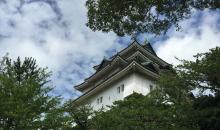
The city of Shizuoka is the capital of Shizuoka Prefecture, a sunny region of Japan on its Pacific coast, in the middle of Honshu island. Shizuoka's main sites are within easy walking or cycling distance to the main Shizuoka station. Sumpu Park is located on the former site of Sumpu Castle, built by Tokugawa Ieyasu in 1585. The East Gate (Higashi Gomon) and the Tatsumi Yagura Turret have been restored to their former impressive glory. In the center of Sumpu Park is a bronze statue of the great shogun with a falcon perched on his fist and nearby, behind a fence, is a mandarin orange tree planted by Ieyasu.
Shizuoka Sengen Shrine, west of Sumpu Park, contains a collection of items associated with Ieyasu including a suit of his armor housed in the Shizuoka Museum of Cultural Assets. The Shizuoka Sengen Shrine also hosts the Hatsukaesai Festival in early April.
South of Sumpu Park, behind the Shizuoka Prefectural Government buildings, are Shichiken-cho dori and Aoba Symbol Road, which are pleasant places to take a stroll, shop, and eat.
Aoba Symbol Road has a pedestrian, tree-lined park running down its center, with a collection of varied street sculptures. The street hosts an illumination show from October to January. At its base is Tokiwa Park, which has a water display on the hour and is lit up at night.
Other places worth a visit in Shizuoka city include the Sumpu Museum, to the west as you exit the north entrance of the station. The museum contains paintings by artists from the Kano school and Shinsui Ito as well as examples of Ieyasu Tokugawa's brushwork. Kiyomizu Temple, called after its more famous namesake in Kyoto, is east of the station in Kiyomizu-yama Park and dates from the mid-sixteenth century.
What to do and see in Shizuoka?
-
Sumpu Park is located on the former site of Sumpu Castle, built by Tokugawa Ieyasu in 1585. The East Gate (Higashi Gomon) and Tatsumi Yagura Turret have been restored. In the center of Sumpu Park is a bronze statue of the shogun with a falcon perched on his fist and nearby, behind a fence, a tangerine tree planted by Ieyasu.
-
Sengen Shrine, west of Sumpu Park, contains a collection of objects associated with Ieyasu, including his armor, housed at the Shizuoka Cultural Property Museum. Shizuoka Sengen Shrine also hosts the Hatsukaesai Festival in early April.
-
South of Sumpu Park, behind the government buildings of Shizuoka Prefecture, are the Shichiken-cho dori and Aoba Symbol Road, which are nice places to walk, shop, and eat.
-
The Sumpu Museum contains paintings by artists of the Kano School and Shinsui Ito as well as examples of brushwork by Ieyasu Tokugawa.
-
Kiyomizu Temple, named after its more famous namesake in Kyoto, is located in Kiyomizu-yama Park and dates from the mid-16th century.
Nihondaira
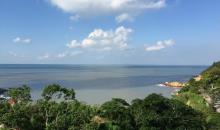
Nihondaira, to the south and east of Shizuoka city, is a noted natural beauty spot with views of Mount Fuji and the sea. There are buses from the main bus station (35-40 mins) or a taxi will cost around 6,000 yen one-way.
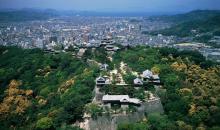
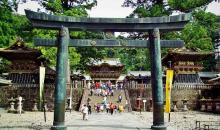
Things to see and do in Nihondaira include a visit to Kunozan Toshogu Shrine and Kunozan Toshogu Museum, which are reached by cable car. The decorative shrine dates from the Momoyama Period and the grounds contain the tomb of Ieyasu Tokugawa. Toshogu Shrine was built by Hidetada, the second shogun in 1617 in honor of his father.
The Kunozan Toshogu Shrine is constructed and decorated in similar colors and style as the mausoleum to Ieyasu in Nikko. Ieyasu's remains were interred here before being moved later to the grander stage in Nikko.
The adjoining Kunozan Toshogu Museum contains over 2,000 pieces related to Japan's greatest warlord including an exquisite golden helmet and a desktop clock, a gift to Ieyasu from the Spanish Governor-General in Mexico.
The Shizuoka Prefectural Art Museum exhibits pieces by Rodin, including "The Thinker", Gauguin and Monet. Nihondaira Zoo has around 800 animals in a park-like setting. The Toro Ruins and accompanying museums and a park include reconstructions of the Yayoi Period housing on the site of previous excavations.
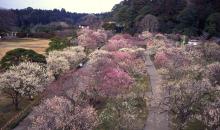
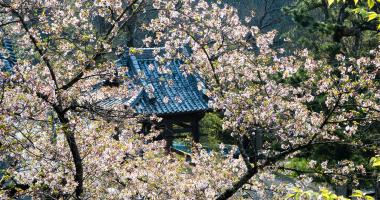
Other places of interest in the Nihondaira area are Nihondaira Stadium, home ground to the J-League's Shimizu S-Pulse, Ryuge Temple, which is known for its "Kanpuen" style of landscape gardens - the oldest style in Japan, the Nihondaira Tea Hall, the Serizawa Keisuke Art Museum, which showcases the dyeing art of Keisuke Serizawa (1895-1984) and the Shimizu Funakoshi-Zutsumi Park, which is famous for its 1,000 cherry trees.
Mariko & Utsunoya Areas
The Mariko area, to the south and west of Shizuoka city, was the location for the 20th way-station on the Tokaido, the historic highway linking Kyoto with Edo (modern-day Tokyo).
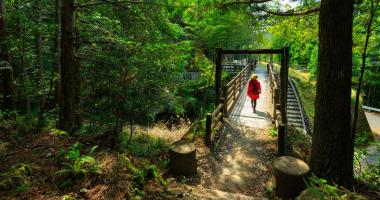
Traces of that history are still visible today and the area is a pleasant place to hike or cycle following the Mariko River.
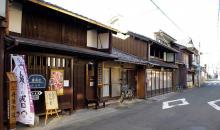
Wooden buildings dating from the Edo Period can still be found in Mariko-juku and Utsunoya, which retain the air of the old Tokaido.
These include Chojiya which serves a grated yam dish (tororojiru) popular with travelers, including the poet Basho (who references the soup in a haiku), passed here along the Tokaido in the Edo era.
Near the village of Utsunoya, is Japan's first toll tunnel (Meiji Tunnel) dating from 1876. Some historic temples in the Mariko area include Seiganji Temple, which may date from the 12th century, Togeppo Saiokuji Temple, modeled after Ginkakuji in Kyoto, and Keiryuji Temple in Utsunoya, famous for its delicious health-restoring rice cakes (dango).


The culinary specialties of Shizuoka
Shizuoka is renowned for its green tea. Its landscape is marked by endless tea fields covering the surrounding hills and mountains. Many stalls allow you to taste the delicious local teas or participate in tea ceremonies.
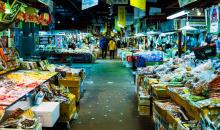
A visit to Shizuoka wouldn't be complete without going through Suruga Bay and its delicacies, available every day at the Shimizu Fish Market. The latter is much less crowded than the former Tsukiji and the new Toyosu Market in Tokyo, but its products are just as fresh and tasty.
Festivals and Events in Shizuoka
The Daidogei (Street Art) World Cup takes place annually in early November in Sumpu Park and in the streets around Shizuoka. Street performers of all descriptions: jugglers, mime artists, and magicians congregate in Shizuoka for the big event.
Other large festivals in Shizuoka city are the Ieyasu-inspired Shizuoka Festival on the first weekend of April complete with cherry blossom dances, the Hatsuaesai Festival, with a procession and the Chigomai (Children's) Dance in early April and the more contemporary Abekawa Fireworks Festival on the last Saturday of July.
Nearby Shimizu host a large and colorful Tanabata Star Festival in early July.
Shizuoka Access by rail
The shinkansen connects Shizuoka with Tokyo, Nagoya, and Osaka. From Tokyo JR Tokaido Shinkansen super-express (1 hour by "Hikari" express or 90 minutes by "Kodama") to Shizuoka. From Osaka (Shin-Osaka Station) 1 hour 40 minutes by Shinkansen bullet train and 1 hour 20 mins by "Kodama" from Nagoya and 1 hour by "Hikari" express.
From downtown Shizuoka 50 minutes by JR Tokaido Honsen Line to the Ecopa Stadium in Fukuroi City and then a ten-minute walk.
Outside Shizuoka City
In Kanaya, one stop on the JR Line east from the Kakegawa Station on the Shinkansen Tokaido route is one of Japan's very few active steam trains. The train runs between Kanaya and Senzu through tea fields along the Ooi River. The journey attracts many visitors thus advanced reservation or traveling midweek, off the peak hours is a good idea.
This district also has the Greenpia Makinohara tea farm and factory that offers a hands-on tea-picking experience and tea factory tours. Greenpia Makinohara is about 20 minutes by car from Kanaya Station and a few kilometers southwest of Shizuoka Airport. Hours 10 am - 5 pm Closed Tuesdays (except when Tuesday is a public holiday).

All the themes of the city

Interested by Shizuoka
Discover other cities to explore