Fushimi-Momoyama Castle
Fushimi-Momoyama Castle: read a guide to Fushimi-Momoyama Castle, or Fushimi Castle, in southern Kyoto.
Fushimi Castle 伏見城
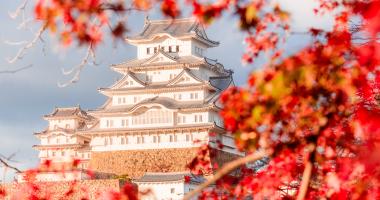
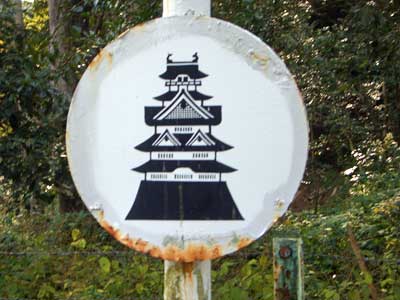
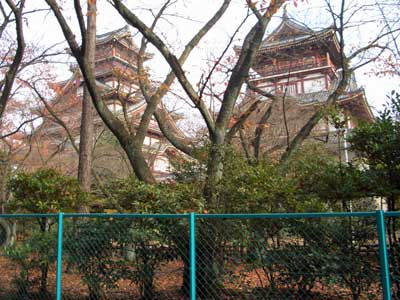
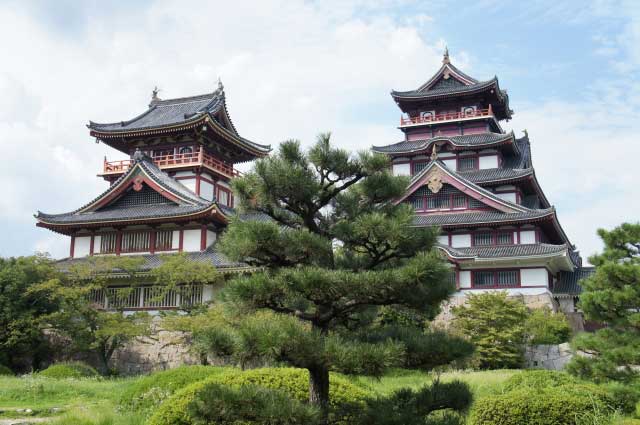 Fushimi-Momoyama Castle in Fushimi, Kyoto
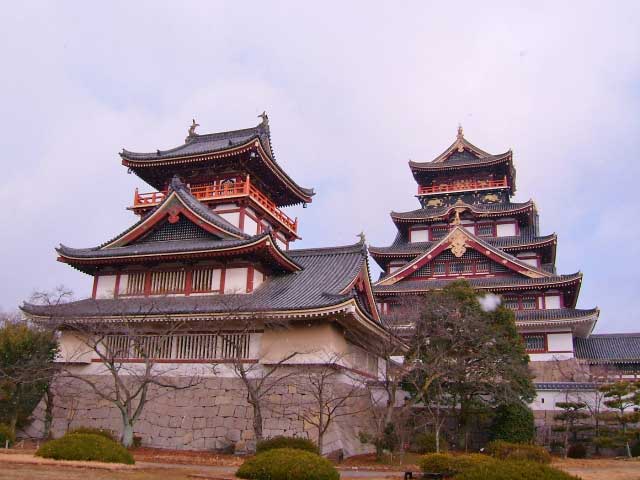 Fushimi-Momoyama Castle, Fushimi district, south east Kyoto
Fushimi Castle, in the south east of Kyoto city, was originally built for Toyotomi Hideyoshi between 1592-1594 and it was here the great warlord passed away in 1598.
Fushimi Castle, which is also known as Momoyama Castle or Fushimi-Momoyama Castle, has had a chequered history. The castle was built as a fortified palace and a retirement home for Toyotomi and its main purpose is not purely defensive.
The first Fushimi Castle was destroyed by an earthquake two years after it was completed and was then rebuilt. Plum trees were planted at the site after the earthquake, which gave the mountain its name Momoyama (plum mountain) and helped defined the period as the Azuchi-Momoyama era after the names of Azuchi and Fushimi castles.
The castle, defended by Torii Mototada, was then destroyed again in a famous eleven-day-siege in 1600 and was dismantled under new regulations on castles drawn up by the Tokugawa regime in 1623.
When the defenders learned from spies that a force of 40,000 commanded by Ishida Mitsunari was approaching in 1600, Mototada made the choice to remain behind, allowing Tokugawa to lead his campaign westward and consolidate his hold over all Japan with victory at the Battle of Sekigahara.
Mototada delayed the attackers for eleven days. In the end, his forces were reduced to just ten. Surrendering with honor, they opened their bellies onto the floor of Fushimi Castle. When Tokugawa returned, their blood had soaked so deeply into the floor it was impossible to remove.
The third shogun of the Edo Period, seeing no need for the remains of Fushimi Castle, had them broken up, sending various parts to other castles and temples around Japan. The blood-soaked floorboards were incorporated into the ceilings of five temples in Kyoto Prefecture and the Karamon Gate at Nishi Honganji Temple was also taken from Fushimi Castle.
The Fushimi Castle you can see today was built in concrete in 1964 as a "Castle Entertainment Park" and this too was an unfortunate affair: the castle was closed in 2003.
Fushimi Castle interior is now closed to the public (though there are plans to reopen it) but was noted for the tea ceremony room decorated in gold leaf. It is still possible to visit the grounds of the castle, which reopened in 2007.
The mausoleum of Emperor Meiji was built at the original site of Fushimi Castle in 1912.
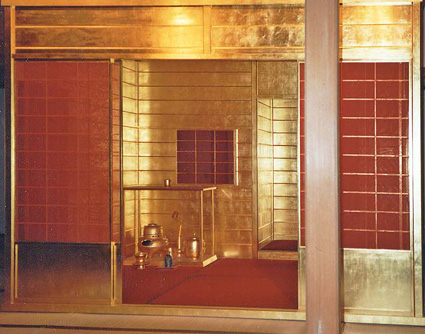 Gold leaf tea room (chashitsu) at Fushimi-Momoyama Castle in Kyoto
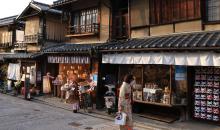
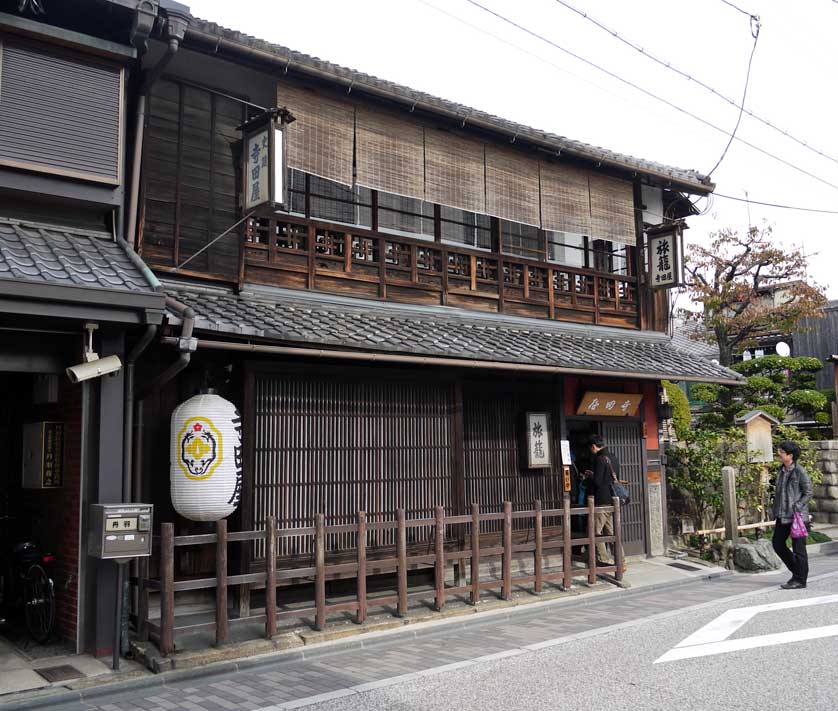 The historic Teradaya inn in Fushimi, south Kyoto
Access To Fushimi
Fushimi-Momoyama Castle
Momoyama-cho
Fushimi-ku
Kyoto 612-8051
Admission: Free to enter the grounds
Take the Kintetsu Line to Momoyama-goryo-mae from Kyoto Station, the JR Nara Line to Momoyama Station or the Keihan Line to Tambabashi Station.
The Tomb of the Meiji Emperor is close by as is Nogi Shrine - dedicated to Count Nogi Maresuke (1849-1912), a general who committed suicide along with his wife committed after the funeral of Emperor Meiji.
Also of historical interest is the Teradaya - an inn where Sakamoto Ryoma was saved by his future wife Narasaki Ryo running naked from her bath to warn him of approaching assassins. Visitors can still see a sword cut in one of the wooden pillars at the inn.
Teradaya
263 Minamihama-cho
Fushimi-ku, Kyoto
Tel: 075 622 0243
Admission: 400 yen
Closed: Monday
Map of Fushimi Castle
Read more about Japanese Castles