Kumamoto 熊本

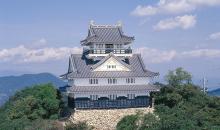
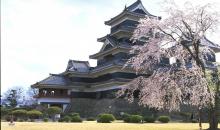
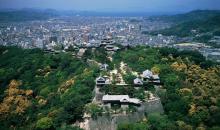
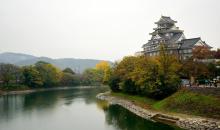
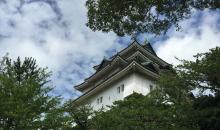
Le château de Kumamoto
https://www.facebook.com/KumamotoCastle/photos/a.944993388859275.1073741825.944988642193083/1212673168757961/?type=3&theater

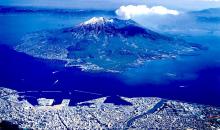
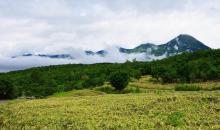
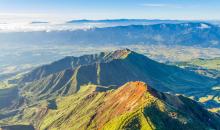
Le Mont Aso, dans la préfecture de Kumamoto, sur l'île de Kyushu.
Jnto

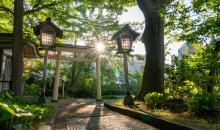
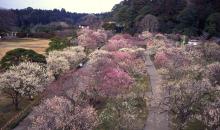
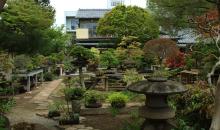
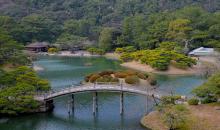
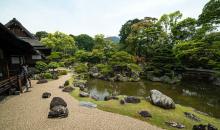
Parc de l'ancienne forteresse des samouraï du clan Hosokawa à Kumamoto
Jnto

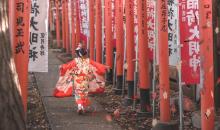
Illustration issue du Traité des Cinq Roues
Jnto
Local Time 21:54
-
Symbol : cloudy_rainy
Temp : 16.5°C
Date : Today
-
Symbol : cloudy_rainy
Temp : 19.2°C
Date : Tomorrow
-
Symbol : cloudy_rainy
Temp : 18.8°C
Date : Monday
-
Symbol : sunny_cloudy
Temp : 20.2°C
Date : Tuesday
Visit Kumamoto, the most populous city in the south
In the south of Kyushu, halfway between Fukuoka and Kagoshima, Kumamoto is as much a river town as a mountain town. Proud of its castle and its volcano, the city has recovered from the earthquakes in 2016 and ascended into the future with its wind in its sails.
Kumamoto, the feudal city of the south
The capital of Kumamoto Prefecture, the city of the same name is nestled between the Ariake Inland Sea and the Aso volcanic ridge. It is home to over 700,000 people (more than Nagasaki) and is nestled between mountain ranges. The city is crossed by rivers as well as the Shirakawa River. Kumamoto became very active in the Middle Ages, with many clan wars, and prospered during the Edo period (1603 - 1868).
Kumamoto is often perceived as a stopover town that does not attract crowds... So you have to be a bit curious to put your bags down and discover (in one or two days) the grounds of the home of Kumamon, a cute black bear character, the city's renowned mascot.
- Read also: Mount Aso
Kumamoto Castle
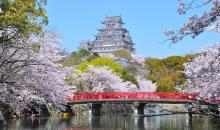
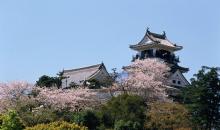
Kumamoto-jô castle is often considered one of the most beautiful in the country. The former fortress of the Hosokawa samurai clan has been renovated in 1960 is worth a visit, especially in early spring, to enjoy the spectacle of cherry blossoms in its park.
The Hosokawa family, who ruled the domain of Higo (the former name of Kumamoto Prefecture), also left a superb Edo period aristocratic residence (the Kyû Hosokawa Gyôbu-tei) on the other side of the park that houses the castle, while the family tea house is located further south, in Suizen-ji Park.
- Read also: Kumamoto-jô castle

Une des salles du bâtiment principal du château
Pixabay

Hanami at Kumamoto Castle
Flickr JoshBerglund19
The castle was severely damaged during the earthquakes of April 2016 and has been under reconstruction for several years and is currently closed to the public. However, on 5 October 2019, the outdoor route around the castle has been reopened to the public, only on Sundays and during the holidays, from 9 am to 5 pm.
A second path was to be opened on April 29, 2020, allowing access to other outdoor parts of the castle. However, this opening has been delayed due to the Covid-19 pandemic. On June 28, 2021, the interior of the castle's main gate was finally reopened to the public, but several other parts of the grounds, including the castle palace, remain off-limits to the public.
Kumamoto, the sword and the pen
A single Samurai - arguably the most famed in Japanese history - left his mark in Kumamoto: Musashi Miyamoto (1584 - 1645), the author of the famous Treatise of the Five Wheels. Considered the Bible of Japanese warriors was written here in a cave open to visitors, at the Reigando.
Kumamoto is the home to other illustrious figures, where you can also visit the homes of the famed novelists Natsume Sôseki (1867-1916) and Lafcadio Hearn (1850-1904)! As the former succeeded the latter as chair of English literature at the University of Tokyo.
Visit Mount Aso
Chains of snow-capped peaks, sulfur, smokestacks, and age-old traditions: it is difficult to pass through Kumamoto without visiting the regional volcano, Mount Aso, a celebrity that attracts millions of visitors every year. It is the largest active volcano in the country, rising to 1,592 meters. More of a volcanic complex than a mountain, it comprises some 15 volcanic cones.
Summers and winters alike, its five main peaks are ideal for hiking (beware, you need to be equipped) in a pit (giant volcanic crater) of spellbinding beauty, dotted with mountain lakes and meadows, which are bright green from March to October. The Aso region is also the home to luxurious spas nestled in wild valleys, such as Kurokawa and Tarutama.
- Read also: Japanese volcanoes
On the other side of the volcanic pit, which extends eastwards into Miyazaki and Oita prefectures, the village of Takachiho is the cradle of ancestral traditions and myths: the traditional kagura dance, and Amaterasu, the sun deity directly linked, according to legend, to the imperial family.


What to do in Kumamoto?
- Kumamoto Castle and its park. Address: 1-1 Honmaru, Chuo Ward, Kumamoto, 860-0002
- Suizenji Garden. Address: 8-1 Suizenji Koen, Chuo Ward, Kumamoto, 862-0956
- Honmyo-ji Temple. Address: 4-13-1 Hanazono, Nishi Ward, Kumamoto, 860-0072
- Fujisaki Hachiman-gu Shrine. Address: 3-1 Igawabuchimachi, Chuo Ward, Kumamoto, 860-0841
- Hanaokayama Hill offers a great view of the city
- Kumamoto Prefectural Museum of Art. Address: 2-2 Ninomaru, Chuo-ku, Kumamoto-shi, Kumamoto-ken
How do I get to Kumamoto?
Kumamoto Central Station can be easily reached by shinkansen from Fukuoka (40 minutes, included in the JR Pass).
It is also possible to travel to Kumamoto by air. There are domestic flights from Kumamoto to Osaka (1h10) and Tokyo (1h45).
All the themes of the city



Interested by Kumamoto
Discover other cities to explore