Matsuyama 松山

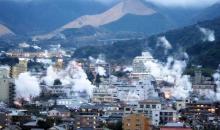
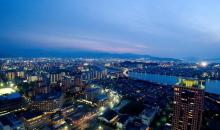
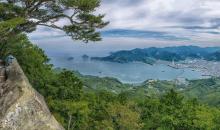
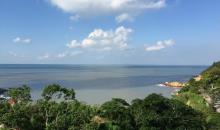
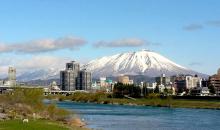
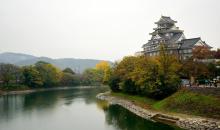
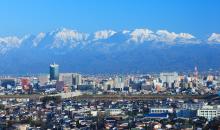
Vue de la ville de Matsuyama et de son château
©JNTO

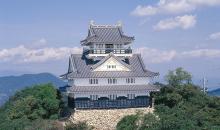
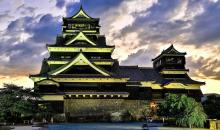
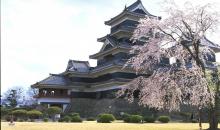
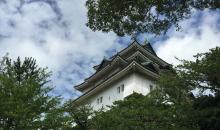
Vue du château de Matsuyama dans les nuages
©Okayama-ken Kanko Renmei/©JNTO

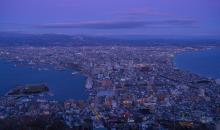
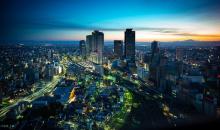
Vue de Matsuyama du haut du château
©JTA/ ©JNTO
Local Time 21:04
-
Symbol : cloudy_rainy
Temp : 19.3°C
Date : Today
-
Symbol : sunny_cloudy
Temp : 20.5°C
Date : Tomorrow
-
Symbol : cloudy_rainy
Temp : 16°C
Date : Wednesday
-
Symbol : cloudy
Temp : 16°C
Date : Thursday
Japan's oldest spa resort on Shikoku Island
Matsuyama is on the fringes of the smallest of Japan's large islands, visible from its neighbors on the other side of the inland sea, Hiroshima to the north and Beppu/Oita to the west.
Proud of its beautiful castle, famed Dôgo baths, young and dynamic, Matsuyama is in itself an excellent reason to visit Shikoku.
Matsuyama city
Matsuyama is the capital of Ehime Prefecture, and the largest city on Shikoku Island, with a population of about half a million.
- Read also: Our travel guide to Shikoku Island
Matsuyama's two big attractions are its beautiful castle and the Dogo Onsen hot spring. The town is home to many other things to see and do, including a number of interesting temples in or around the town, good restaurants, and lively shopping and entertainment areas in covered arcades.
Before it became a military capital, the city and its surroundings were an important area for the spread of Buddhism. Several of the 88 temples of the famous Shikoku pilgrimage are located here, including Ishite-ji, built in honor of the monk Kukai, the founder of the Koyasan complex.
It is fairly easy to get around the center of Matsuyama on foot or by tram, the main station being Matsuyama-shi station. The single fare is 160 yen or there is a 300 yen day pass for trams and buses in the loop. A single trip on the Botchan Ressha steam train costs 800 yen. The colorful Madonna retro bus passes the main sights and costs 200 yen for a single ride or 500 yen for a day pass.
It is fairly easy to get around the center of Matsuyama on foot or by tram, the main station being Matsuyama-shi station. The fare is 160 yen or there is a 300 yen day pass for trams and buses in the loop. A single trip on the Botchan Ressha steam train costs 800 yen. The Madonna retro bus passes the main sights and costs 200 yen for a single ride or 500 yen for a day pass.
Matsuyama Castle
In 1603, the town emerged in prominence as a strategic location for defense and commerce in the large province of Iyo, as the Matsudaira clan built a castle on Katsu Hill.
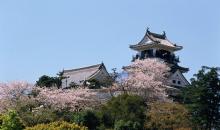
Matsuyama Castle was first built by Kato Yoshiakira from 1602 to 1627. The castle is one of twelve Japanese castles that still stand today, although burned down in fire twice, once in 1642 and again in 1784 after being struck by lightning. The present structures date from 1854.
The impressive three-story central watchtower is listed as an Important Cultural Property and features displays of samurai swords, old rickshaws, and the armors of the former daimyo (feudal lords) of Matsudaira. The castle also has impressive gates and a defensive watchtower, which are also designated as Important Cultural Properties.

Le château de Matsuyama
©JNTO
The Matsuyama-jô castle is located on top of a steep hill in the center of Matsuyama with a cable car that leads to the top of the castle grounds. It is one of the most visited sites in the area, offering a breathtaking view of the city and the Seto Inland Sea, even though it lost two floors during its last reconstruction. On the way back down to the west side, you can stroll through the Ninomaru garden, laid out on the ruins of the former lord's residence along the small park of Bansui-so.
The historic district of Mitsuhama
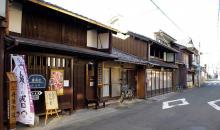
Mitsuhama (or simply "Mitsu") is the old port district of Matsuyama, facing the Seto Inland Sea and separated from the rest of Matsuyama City by the Miyamae River. Mitsuhama has been a busy fishing and trading district since ancient times, it is still the city's main port, bustling with crowds of people resembling the old times.
You can visit the fish market in the morning, or simply stroll through the alleys (with numerous stray cats) and admire the historic buildings that have stood here for over a century, a rarity in most Japanese cities.
Start your exploration of Mitsuhama at Mitsu Station on the Iyotetsu Line. Constructed in 1888, Mitsu is one of the first train stations built on Shikoku Island. The current station building, still in the old style, was rebuilt in 2009 with information in English about the area posted outside the station.
The northernmost point of the Mitsu area is home to Ohyamatsuminokami Shrine, founded in 728, which houses a large bronze statue of Akiyama Saneyuki, an Imperial Japanese naval officer famous for his planning of the Battle of Tsushima in the Russo-Japanese War showcased in the Saka no Ue no Kumo Museum.

Dogo Onsen
©JNTO
Dogo Onsen
Matsuyama-jô with all its glory is not the main reason people visit Matsuyama. Dogo Onsen, its hot springs with a centuries-old history: legend says it is the oldest hot spring in Japan... and inspiring the work of famed animator Hayao Miyazaki's Chihiro!
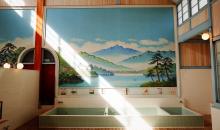
Dogo Onsen is the oldest onsen spa in Japan, with a history of over 1,300 years, as mentioned in the Nihon shoki chronicle.
The complex includes a number of different baths, including the Kami-no-yu and the Tama-no-yu. The Yushinden Imperial Bath was built in 1899 for the imperial family and was last used in 1950. The sumptuous hall is now open for guided tours. The Tsubaki-no-yu annex, which passes through the shopping arcade, is less touristy and is mainly patronized by the city's local residents.
The present bathhouse dates from 1894 and is mentioned in Natsume Soseki's novel, Botchan. The author recommends choosing the first-class option (currently at 1500 yen), which includes the use of a private room after the bath, green tea, and dango sweets.
What else to see and do in Matsuyama?
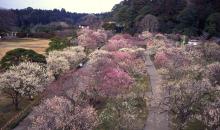
- Dogo-koen is a small park south of the hot spring, famous for its cherry blossom trees, which are the remains of Yuzuki Castle, the former residence of the Kono clan, the rulers of the Iyo domain in the feudal period.
- The small, free Yuzuki-jo Museum displays artifacts that were discovered during excavations in the park.
- To the north of the park is the Matsuyama Municipality Shiki Memorial Museum, dedicated to local haiku poet and baseball fan Masaoka Shiki (1867-1902).
- Gudabutsu-an, a restored rustic house, is a place of accommodation where the writers Shiki and Soseki spent 52 days together, now relocated in the grounds of Matsuyama Castle, near the Bansui-so Villa.
- The Shiki House is a replica of the childhood home of the poet Masaoka Shiki, with his study and examples of his calligraphy. It is located on the grounds of Shoshuji Temple.
- Ishite-ji Temple, number 51 of the 88 sacred temples of the Shikoku pilgrimage dating from 728. The temple has a beautiful pagoda and an original collection of statues and mandalas in the tunnels leading to the park behind the temple and in the park itself.
Matsuyama museums
- Bansui-so, a French-style villa constructed 1922 for Hisamatsu Sadakoto, the former feudal lord of Matsuyama. The building now serves as an annex to the Matsuyama Prefectural Art Museum, which has collections of modern Western and Japanese art.
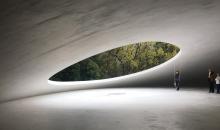
- Nearby is the modernist museum Saka no Ue no Kumo, designed by Tadao Ando and dedicated to the novel Clouds Over The Hill by Shiba Ryotaro, which tells the tale of the local Akiyama brothers and their role in defeating the Russians during the Russo-Japanese War (1904-1905).
All the themes of the city


Interested by Matsuyama
Discover other cities to explore