Yunohira Oita
Yunohira: read a guide to Yunohira, an onsen mountain village near Yufuin, Oita, Kyushu, southern Japan.
Yunohira 湯平
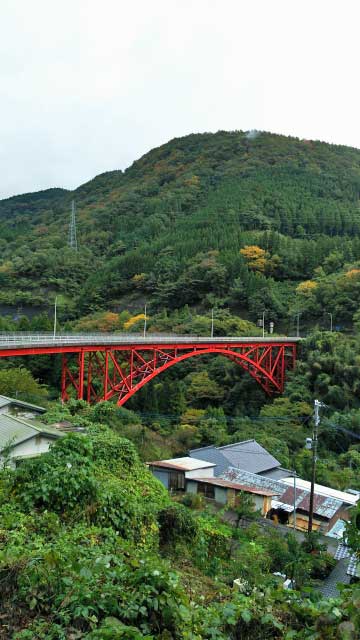 Yunohira, Oita Prefecture, Kyushu, Japan
Johannes Schonherr
Traveling the remote hinterlands of Japan, you are bound to discover secret treasures. Forgotten temples and shrines not mentioned in any guidebook, hot springs tucked away in the mountains, beautiful sites known only to locals. Rarely however will you stumble on such a pearl as Yunohira.
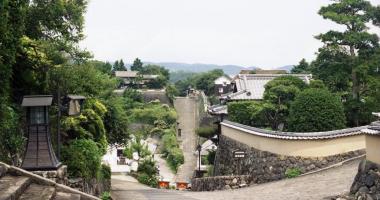
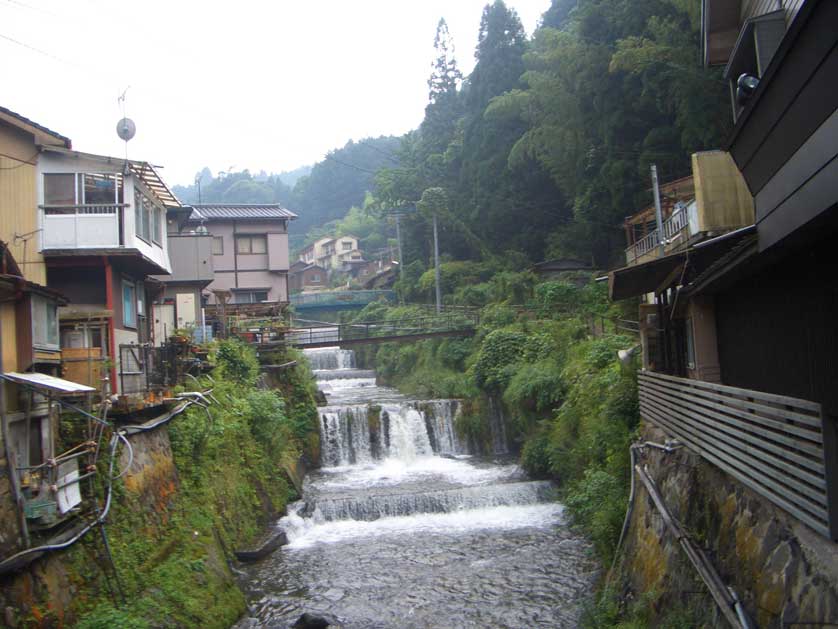
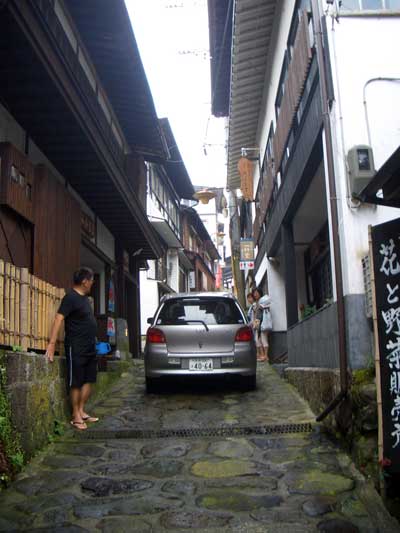
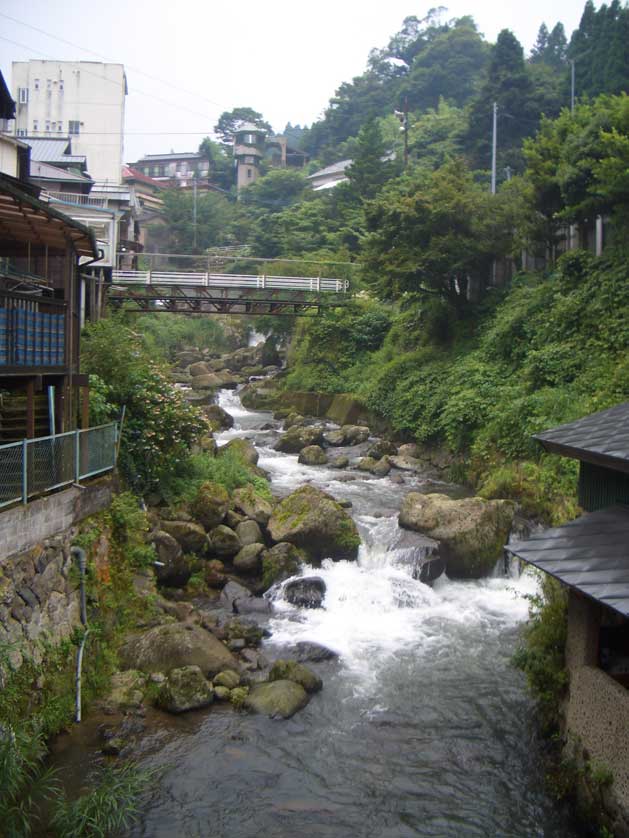
Yunohira is a tiny mountain village in Oita Prefecture. It is not far from Yufuin, crammed into the narrow valley of the thundering Kagonogawa River. Parallel to the river, a steep slope made of mountain rocks leads up through the town. This is the main street. It's not adjoining the river directly but the river is never further away than a building or two. You can always hear the water crashing down the breaks built to slow it down and prevent it from washing the village away one day.
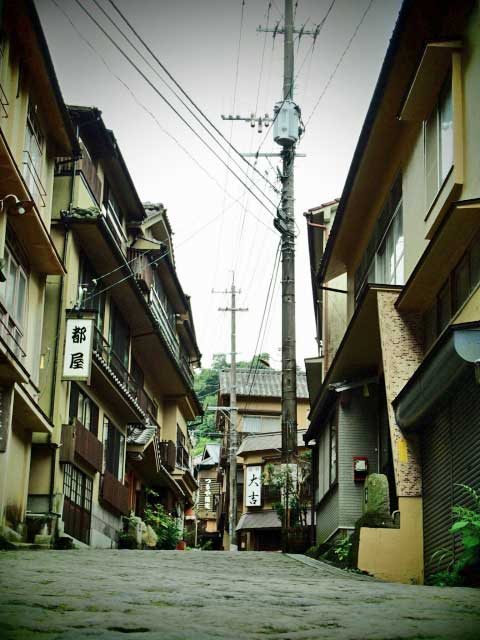
It's this main street that makes the village the outstanding romantic location it is. Walking up in the drizzle of an early evening rain is an almost timeless experience of beauty.
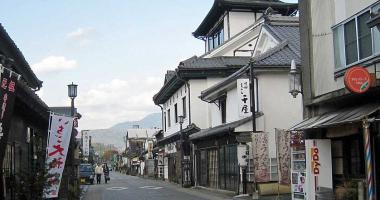
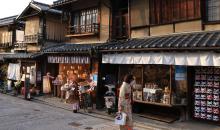
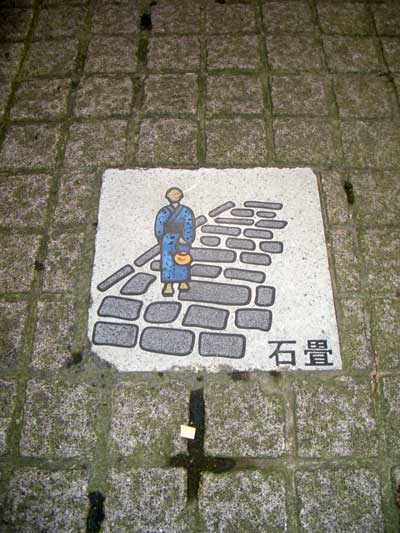
The cobble-stone slope was built 300 years ago and has remained the same over the centuries. The houses lining it are of more recent vintage, but they fit the picture nonetheless. Old yellow street lights shine on the slope, yellow lights placed into boulders along the way add to the atmosphere. Some shops look as though they haven't changed at all since the 1960's. Locals and the occasional visitor walk up and down in yukata bathing robes, carrying umbrellas in the rain and little wooden bowls in their hands, with towels and bathing gear in them.
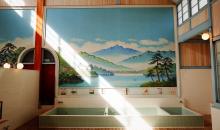
Yunohira is a serious onsen village and has plenty of public baths. They are mostly along main street and some of them directly alongside the river. You just throw 200 yen into a box and enter the bath. They all feature separated bathing for men and women though if you want to splash with your partner, it's certainly possible in your ryokan if you decide to stay overnight.
To stay for a night is a wise option. Yunohira is all about the slow life. Nobody hurries here and neither should you. The giant noisy cities of Kanto and Kansai feel a million miles away.
How further away from it all can you get than a village that has no bus connection and a tiny train station located 4km away in the middle of the woods? Trek along the road or take a taxi from the station to the village - there is no other way.
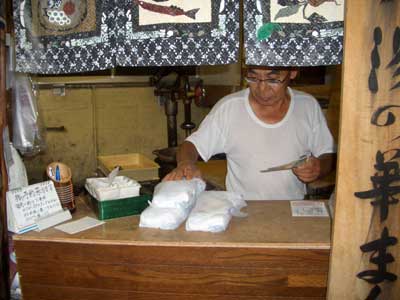
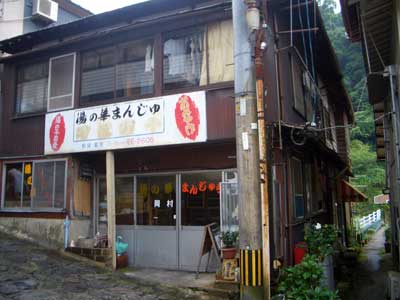
Yunohira has lots of small ryokan and hotels, virtually all of them with their own hot spring facilities. Check into one of them, take a relaxing bath and explore the village. Stop by the old manju store on main street. Manju are traditional Japanese sweets, small balls made of flour and rice powder dough and filled with red azuki bean paste. The ones at the Yunihira store are all freshly handmade - you can watch the master making them - and truly delicious.
Yunohira Attractions
Perhaps surprising for such a far-off outpost, you will also find a few art galleries on main street. But then again, maybe it's not that surprising. In the 1920's and 1930's, Yunohira was a highly praised resort town for the very wealthy. It was the same time when nearby Beppu was in its prime and the cruise ship guests arriving there would also make stops here. Not long after, Yunohira returned to the sleepy state in which it remains today.
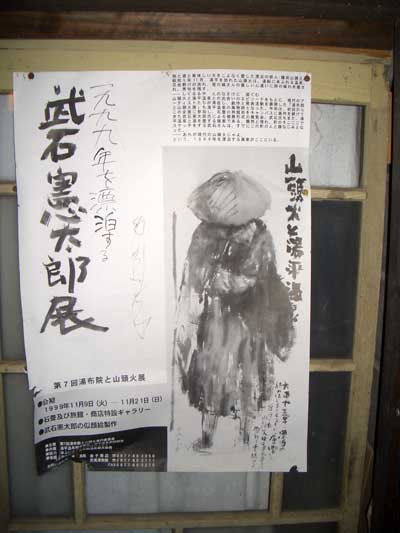
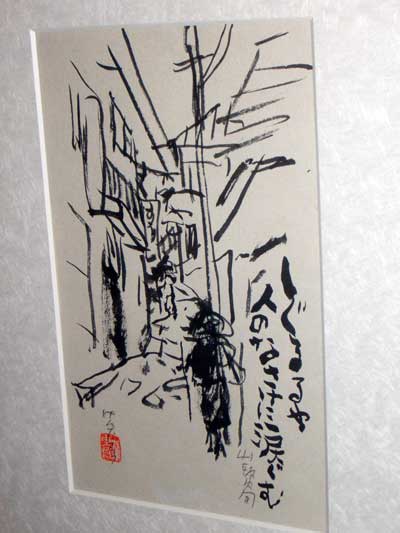
The tranquil beauty of the ancient stone slope did however attract plenty of artists. The most famous and locally most celebrated of them is haiku master Santoka Taneda (1882-1940). He was a heavy-drinking poet, who wandered penniless through the south of Japan in the 1930s, an ordained Zen priest, but living the life of an itinerant rogue monk, writing haiku while breaking all the rules of haiku writing. He stayed in Yunohira only briefly but it was here that he wrote some of his most famous poems. See some of his haiku and writings here in English translation
Santoka Museum
Cross the river on one of the small foot bridges and you will find a small museum dedicated to Santoka. It's a small house and you just put 100 yen into a box for admission. Most likely, you will be the only guest.
This house was built long after Santoka had died and you will find no actual artifacts from his life. But his spirit is very well alive there. Climb up the steep stairs to the second floor and you will find a small writer's room.
Two low tables are equipped with ink, paper and calligraphy brushes. Books of Santoka's poems, handwritten in beautiful calligraphy by his devotees are on hand. Go ahead, try to write your own poems, inspired by the river just below, by the serene village, by Santokan himself. Why not illustrate some of the master's haiku's if you are good at drawing?
Plenty of such illustrations done both by visitors and established artists line the walls. Some of the drawings are breathtaking examples of traditional Japanese brush-and-ink paintings. Every few years, exhibitions are held with the best of the calligraphy and drawings people produce and leave here.
Eating in Yunohira
Feeling hungry? The Ureshino Shokudo (Tel: 0977 86 2054) at the foot of the slope is the place to go. Like so many things here, it seems frozen in time. Late 1960s / early 1970s or so. Not the dishes, though. They are as fresh as you can catch a fish out of the river. Local river fish is the specialty and comes mostly in the form of eel and carp. Try the koi arai - carp sashimi on ice. It's delicious. Next the fried eel, Japanese style. Great stuff, ooishi.
If you arrive in winter, though, which means between November and February in Yunohira, order the rabbit (a prior reservation is necessary). Winter is rabbit hunting season and also the time for nabe - the thick, hot Japanese stew served in winter. Fresh, wild rabbit stew! Where else in Japan are going to find that?
There's time for tea, beer or drinks after the meal at Ureshino, but don't expect a long night. Ureshino closes at 9pm and with it the rest of the village. People go to sleep early here. Relax at your inn and pen a few poems inspired by your day in Yunohira, just as the great Santoka Taneda did.
Getting To Yunohira
Yunohira Station is on the Tokkyu Special Express Line from Hakata Station in Fukuoka to Oita City via Hita and Yufuin. There are 3 trains daily that directly connect Hakata with Yunohira Station.
There is a local train service hourly to and from Yufuin Station and Oita during the day.
*The SONIC Express connecting Hakata to Oita via Kokura follows a different route. The SONIC Express does NOT take you to Yunohira.
**Yunohira Station is 4 km outside Yunohira Village. Take a taxi or walk. There is no bus service.
Ureshino Shokudo (Tel: 0977 86 2054) open daily 7 days a week from 11 am to 9 pm. Call a day in advance to order eel sashimi or the rabbit stew available from November through February.
Words + images Johannes Schonherr
 Yunohira, Oita Prefecture, Kyushu, Japan