Daitokuji Temple Kyoto 大徳寺

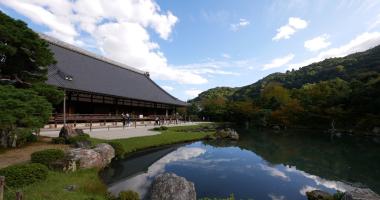
Daitokuji, Kyoto
By David Emrich on Unsplash

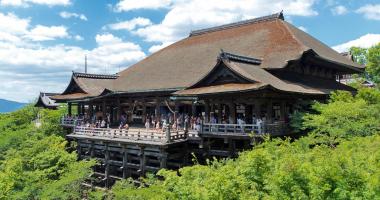
Daitokuji Kyoto
Image by japanibackpacker from Pixabay
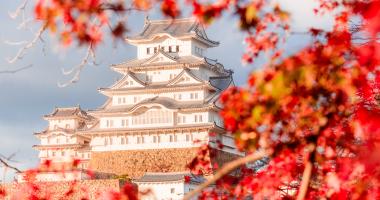
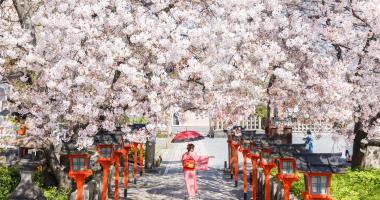
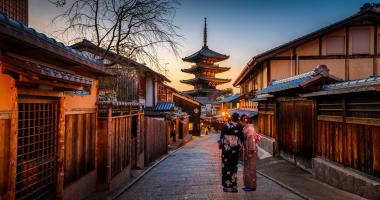
Daitokuji is a functioning Rinzai Zen temple complex in northwest Kyoto. This temple was established in 1319 and is associated with the Sen-no Rikyu & Enshu Kobori, who strongly influenced the Japanese tea ceremony.
Daitokuji
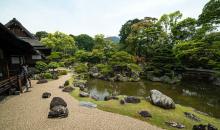
The Daitokuji compound is a city within walls made up of 24 sub-temples, eight of which are open to the public. Of particular note are the small sub-temples Daisen-in and Koto-in for their lovely, though small, gardens. Koto-in is known for its spectacular red maples in autumn.
Daitokuji Temple History
Daitokuji Temple is also called Ryuho-zan, which means "dragon treasure mountain." Daitokuji Temple was established in 1319 by Shuho Myocho.
During the Onin War (1467–1477) in the Muromachi Period of Japanese history, parts of the temple were destroyed by fire. Daitokuji was rebuilt with money from Sakai (Osaka) merchants and later supported by many Daimyo (feudal lords). The abbot responsible for organizing the rebuilding process after the conflict was Ikkyu (1394-1481) and his former residence Shinjuan contains a statue of this revered priest and a tablet of his writing.
It was here in Daitokuji in 1582 that Toyotomi Hideyoshi conducted the funeral service of Oda Nobunaga, who had been killed in Honnoji Temple, starting a fashion to build tatchu or minor temple buildings for military commanders in the complex, as Zen became the Buddhist sect of choice for samurai warriors.
Free admission for the main precincts; fees for the sub-temples & gardens.
Daitokuji's main buildings include the Chokushimon Gate, which was originally the southern gate of the Imperial Palace. The Karamon or "Chinese Gate" originally stood at Fushimi Castle in the south east of Kyoto.
The Sammon (Two-Story Main Gate, aka Kimmokaku) dates from 1589 and was reputedly built by the tea ceremony master Sen-no-Rikyu (1522-1591). The gate contains a self-statue of the great man himself. Sen-no-Rikyu fell out with the Toyotomi Hideyoshi and was forced to commit seppuku (ritual suicide), supposedly the source of the warlord's wrath was the statue on the gate.
Daitokuji Sub-Temples
Daisen-in has paintings by Motonobu Kano (1476-1559) and its garden is one of the most highly-regarded in Japan and was designed by the 77th abbot of the temple Shuko Kogaku (1465-1548).
Oda Nobunaga was buried on the grounds of the temple after his murder in 1582. His tomb and those of his sons rest in the precincts of the Soken-in sub-temple as does the grave of Hideyoshi's wife.
Koto-in was established by the samurai Hosokawa Tadaoki (1563-1645) who after surviving the bloody events of the time dedicated himself to Zen in 1601 and founded the temple. Koto-in includes the shoin (study) of Sen-no-Rikyu, which Hosokawa brought to the temple, and lovely gardens. The temple grounds contain the tombs of Hosokawa and his wife Gracia Hosokawa, a famous Christian convert and the daughter of Akechi Mitsuhide, the betrayer of Oda Nobunaga.
Sen-no-Rikyu's 2m-tall stone tombstone is in the Jukoin sub-temple at Daitoku-ji, along with a tearoom designed by the master.
The Butsuden (Main Hall) is also full of artistic treasures as is the Hojo (the Superior's Residence), which has sliding doors painted by Tanyu Kano (1602-1674) and a garden designed by Enshu Kobori (1579-1647).
The Ryosen-an sub-temple holds early morning zazen (Zen meditation) sittings. Ryosen-an is associated with the life of the American Buddhist nun Ruth Fuller Saseki (1892-1967), who did much to spread the teachings of Buddhism in the USA and became a priest here.
Korin-in Temple was founded in the early 16th century by Yoshifusa Hatekeyama, a warlord from the Noto region of present-day Ishikawa Prefecture. The Karamon and Omotemon gates are designated as important cultural assets and the temple has a dry landscape garden and tearoom.
Sangen-in was founded in 1589 by Mitsunari Ishida, the commander of the Western forces defeated by Tokugawa Ieyasu at the decisive Battle of Sekigahara in 1600, Yukinaga Asano and Tadamasa Mori. The sub-temple is known for its fusuma (painted sliding doors) by Hara Zaichu and eight-windowed tearoom in the Oribe style.
Shinju-an Temple was founded by Ikkyu in 1429 and served as his residence. The temple contains many artistic treasures by such master painters as Kano Motonobu and Kano Eitoku, however, the temple is only open by special permission and occasionally in early November.
Nearby
Daitokuji Temple is within easy cycling distance of Kinkakuji, Kitano Tenmangu and Hirano Shrine or hop on a bus traveling west on Kitaoji. East of Daitokuji are the Kyoto Botanical Gardens, just to the north west is Imamiya Shrine.
Address, timetable & access
Daitokuji Temple
-
Address
53 Murasakino Daitokujicho
603-8231
Japan
-
Phone
+81 (0)75 491 0019 -
Timetable
Daily 9 a.m to 4 p.m -
Price
400 JPY -
Access
Daitokuji Temple is a fifteen minute walk from Kitaoji Station (on the north-south Karasuma Line of the Kyoto subway). Or, take #205 or #206 bus from Kyoto Station and get off at Daitokuji-mae bus stop.