Travelling in Japan: a comprehensive guide

© jc3211, Unsplash
Our tips & tricks for traveling in Japan
We at Japan Experience are here to share our experience and knowledge of everything you need to know about Japan before your departure and during your trip. Rest assured that you will have the trip of your lifetime!
Whether your needs vary from just a rental mobile device/SIM Card or a reservation at a renowned ryokan (traditional inn), Japan Experience is your one-stop-shop for all your Japan travel needs! Get ready for the trip of a lifetime!
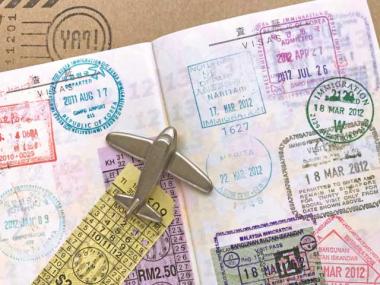
Formalities and regulations for traveling to Japan
Do I need a visa to enter the country?
Many countries have visa exemption agreements with Japan, which means that citizens of these countries can enter Japan without a visa for short stays. For countries like France, the United States, Canada, and the United Kingdom, acquiring a visa is not required to enter Japan as a tourist for up to 90 days.
There are, however, exceptions for certain countries or regions. To find out more, visit the Embassy of Japan website, where you'll find all the details and specifics. The tourist visa is intended for travelers planning to visit Japan for sight-seeing and leisure purposes. It allows a stay of up to 90 days.
How should I go about exchanging currency?
It's best to exchange money in your home country before arriving in Japan. Japan is a country that still relies heavily on its own currency and cash with relatively fewer options for cashless payment, though such options are increasingly more common these days and at most establishments. However, at many restaurants, stores, and guesthouses, you won't be able to pay by card. Because of this possibility, make sure to always have cash on you just in case.
Do I need travel insurance?
Although it's not a legal requirement as a tourist in Japan, it's strongly recommended that you have travel insurance when you travel to Japan, or anywhere else in the world. Travel insurance will give you peace of mind and protect you in the event of any unforeseen situations that may arise during your trip. Medical expenses can be expensive in Japan compared to some countries, but affordable compared to others. Travel insurance will also protect you in the event of trip cancellation, flight delays and cancellations, baggage loss, civil liability and offers 24-hour emergency assistance.
In regards to COVID-19:
There are no longer any restrictions in regards to COVID-19. Visitors can now enter Japan WITHOUT having to present a complete vaccination schedule (three doses against covid-19) or a negative PCR test at the airport. Masks are no longer required indoors or outdoors. However, you can find out about any restrictions or vaccinations required (excluding covid-19) on the Japanese embassy website as regulations are subject to change at any time.
Do I need to speak Japanese or English to travel to Japan?
While the language barrier may seem daunting, it shouldn't be an obstacle to your adventures, and should in no way dissuade you from traveling to Japan. It's important to note that the standard language is, naturally, Japanese, so while there are a number of service options for English speakers and other foreign travelers, it likely won’t be to a comparable degree to many Western nations. Signs in major public areas will often be written in multiple languages, including English, Korean, and Mandarin, but fluent speakers of such languages may be relatively rare. Your smartphone will come in handy when it comes to communication and understanding your surroundings if Japanese is not a language you understand.
Thanks to instant translation applications such as Google Translate, you'll be able to communicate with ease. What's more, the camera translation option will enable you to instantly decode road signs, restaurant menus and written documents. Similarly, in big cities like Tokyo or Osaka, you'll often be able to find English-language options to facilitate your experience.
When should I go to Japan?
One of the most frequently asked questions is when exactly the best time to go to Japan is. In reality, the ideal time to visit Japan depends on your personal preferences and the experiences you wish to enjoy. Each season offers unique advantages, and the choice will depend on your specific interests. Here's an overview of the different seasons in Japan and what to do:
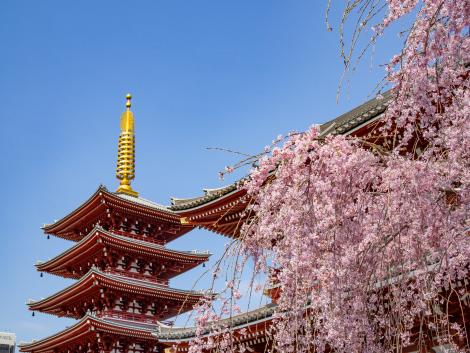
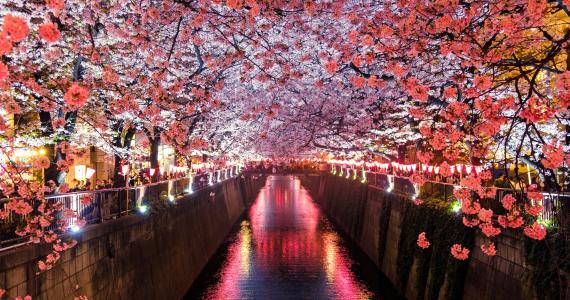
- Spring (March to May): Spring is the most popular time to visit Japan because of the cherry blossoms (sakura). The temperatures are mild and the scenery is beautiful. Bear in mind, however, that this is the busiest season for tourists and locals alike, who take advantage of Japan's Golden Week. Prices are increased and tourist attractions are relatively busy.
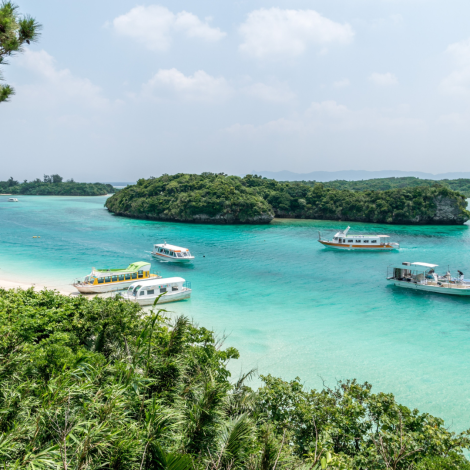
- Summer (June to August): Summer in Japan is hot and humid, but with colorful festivals and fireworks to enjoy. However, this period can also be marked by the rainy season (tsuyu) in June, and in August, the climate can be difficult to manage in some regions.
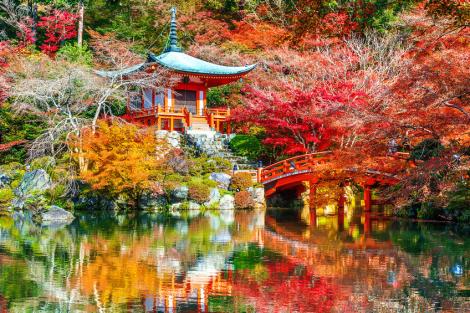
- Autumn (September to November): Autumn is one of the most pleasant seasons to visit Japan, with mild temperatures and maple leaves offering a magnificent scarlet and gold landscape. It's an ideal time for hiking and strolling through Japanese gardens, unhindered by the influx of tourists compared to the springtime.
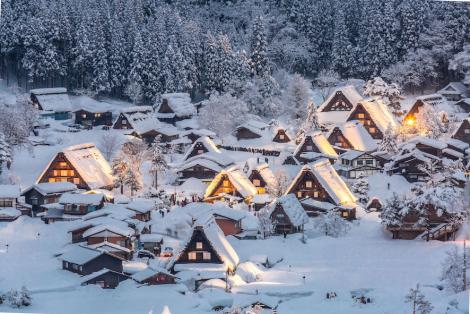
- Winter (December to February): Winter in Japan is cold, but it's also the season for light festivals and winter sports. Mountainous regions like Hokkaido and the Japanese Alps are perfect for skiing and snowboarding, with plenty of fresh powder! You'll be immersed in a romantic atmosphere with snow-covered landscapes, and the onsen will be an unmissable experience.


What kind of budget should I have for travelling to Japan?
By organizing your trip well in advance, including your plane tickets, hotels and travel arrangements, and by carefully planning your itinerary according to your priorities, travel to Japan can become much more affordable. Bear in mind that you won't be able to do and see EVERYTHING in Japan, so you'll need to prioritize what you want to see this time around that fits both your budget and time needs!
The cost of a trip to Japan can vary considerably depending on your style of travel, your interests, your itinerary and so on. However, we can give you an estimate of the average cost of a trip to Japan. It is of course possible to spend less, as well as much more.
- Accommodation: There's a wide choice of accommodation, from capsule hotels to ryokan (traditional Japanese inns). Expect to pay between 60 and 200 dollars per night for most general accomodation.
- Meals: Food in Japan, especially at restaurants, is generally more affordable. Allow between 20 and 50 euros a day for casual meals, depending on your appetite and preferences, but there are restaurants that span between very affordable streetfood to high-end course menu restaurants throughout all of Japan.
- Transportation: Transportation can be seen as relatively expensive in Japan. You often pay for the distance you travel by public transport, though buses in Tokyo operate on a single-charge basis. There are many other transport options for travelling around the country, such as trains, long-distance buses, domestic flights, etc. Think of the Japan Rail Pass, different regional passes, and things like the Tokyo and Osaka Day Pass to get around the country more easily.
- Entertainment and leisure: The cost of activities will depend on what you choose to do, but on average, allow between 10 and 30 euros per day for sightseeing and leisure activities. Some temples and gardens will only cost you a handful of yen, while others are free! Other activities such as Universal Studios in Osaka or Disneyland near Tokyo will be more expensive.
What are the must-see destinations in Japan?
It's sometimes hard to decide what to see and where to go in a country like Japan because the attractions to see and places to visit are so diverse.
On a first trip to Japan, the most popular itinerary is the "golden route", a tour starting from the Japanese capital, Tokyo, and then discovering Kyoto, the historic city with its many Zen temples. Nearby Kyoto, Nara, the city of 1,200 free-roaming deer, and Osaka, Kansai’s eccentric major city, are also worth a visit. Finally, further south, we head for Hiroshima and its famous red-gate island, Miyajima. On the way, you can stop off at Himeji to visit its famous medieval castle, or Kobe to indulge in a piece of luxurious wagyu beef.
1. Tokyo: Japan's vibrant capital is a fascinating mix of modern skyscrapers, traditional neighborhoods, trendy boutiques and historic temples. Explore the neighborhoods of Shibuya, Shinjuku and Asakusa, and discover cutting-edge technology in the heart of the city.
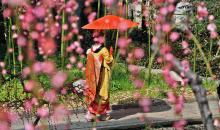
2. Kyoto: The former capital of Japan, Kyoto is brimming with iconic temples and shrines, Zen gardens and picturesque alleyways. Soak up traditional culture and attend a tea ceremony or admire the geishas in the Gion district.
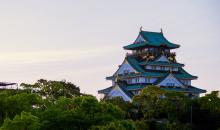
3. Osaka: Known for its delicious cuisine and lively urban atmosphere, Osaka offers a variety of sights, including Osaka Castle, the Dotonbori district and Universal Studios Japan Park.
4. Hiroshima: Here you'll find the Hiroshima Peace Memorial, a poignant tribute to the events of the Second World War. Also visit the island of Miyajima with its famous floating Torii and Itsukushima temple.
5. Nara: Close to Kyoto, Nara is famous for its deer park and the Great Buddha of Todai-ji temple, one of the largest Buddha statues in the world.
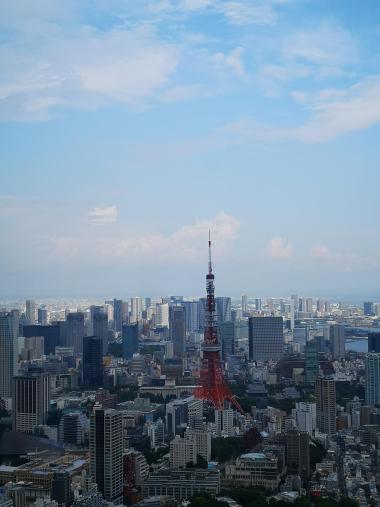
tokyotower
Ph.L
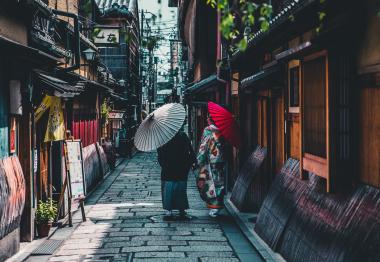
Couple visitant Kyoto main dans la main
©Andre Benz
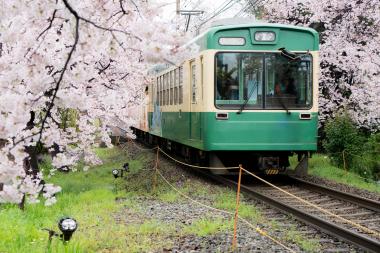
Direct access to JR Kyoto station from Kansai airport
©Prasit Rodphan / 123RF
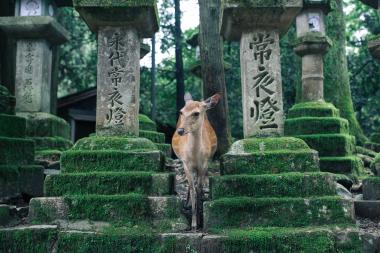
Nara, Japan's first imperial capital.
©Joey Huang
While these are must-see destinations, each offering a unique and captivating experience, other spots are just as interesting and representative of the beauty of the Japanese territory. Here are just a few of the destinations that will take you off the beaten track:
1. Hakone (Mount Fuji): The iconic Mount Fuji, Japan's highest mountain, attracts hikers and nature lovers alike. Surrounded by 5 lakes, Mount Fuji is one of the symbols of Japan. The town of Hakone at its foot offers magnificent views of this still-active volcano.
2. Kanazawa: This historic town is renowned for its Kenrokuen garden, one of the three most beautiful gardens in Japan, as well as its geisha quarter and its history of craftsmanship.
3. The Japanese Alps: With spectacular mountain scenery, hiking, winter activities and comforting local cuisine, the Japanese Alps are a paradise for nature lovers and picturesque villages. The region is also renowned for its onsens, hot springs.
4. Shikoku: This island in south-west Japan is famous for the Shikoku pilgrimage (known as the Henro in Japanese), which includes 88 Buddhist temples. A unique spiritual experience to discover in whole or in part. In the town of Matsuyama, you'll also find the famous Dogo Onsen, which inspired Hayao Miyazaki in Studio Ghibli's animated film Spirited Away.
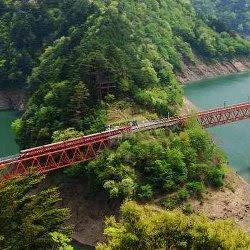
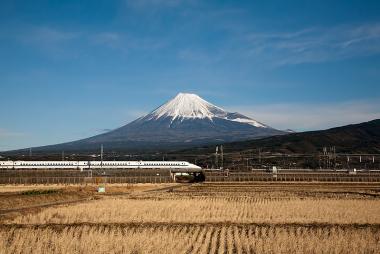
@Wikimedia
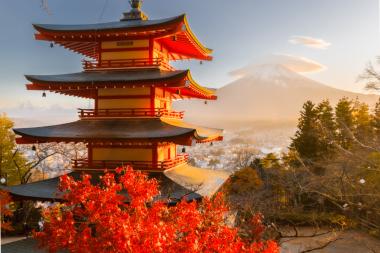
Mount Fuji from Kawaguchiko pagoda in Fall season
©Loïc Lagarde
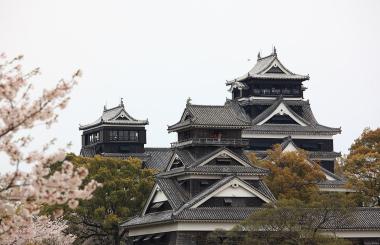
Château de Kumamoto
Wikimédia
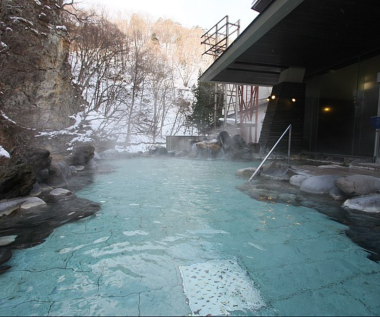
Onsen Shidotaira
©Soul of Japan, Wikimedia Commons
5. Kumamoto Prefecture: Located on the island of Kyushu in southern Japan, this prefecture is home to magnificent volcanic landscapes and lush forests. Kumamoto Castle and the nearby Mount Aso and its many onsens offer an authentic atmosphere typical of ancestral Japan.
6. Okinawa: This tropical archipelago in the heart of the Pacific Ocean is renowned for its white-sand beaches and crystal-clear waters, such as Kabira Bay in Ishigaki or Nishihama Beach in Hateruma. Here you'll discover a unique culture with a distinct Pacific island influence.
These destinations represent just a glimpse of the many wonders Japan has to offer. Each one adds an essential piece to the cultural, natural and historical puzzle of this fascinating country.
How to get around easily in Japan?
The whole of Japan is very well served by public transport, and you'll have no trouble getting from one end of the country to the other. Japan's rail network is the most widely used, and is renowned for its punctuality and efficiency. You can also make long-distance journeys by bus (or night bus), by air via domestic flights or by renting a car.
- For peace of mind when traveling by train, you can opt for the Japan Rail Pass, a package giving you unlimited access to virtually the entire rail network throughout the country. There are also regional JR passes, which give you access to all public transport in a specific region.
Discover the Japan Rail Pass!

- For many nationalities, having an international driving license is not enough to drive a car in Japan. This is the case for people from countries like France, who will need to have their driver's license translated. Be sure to do some research on whether or not you need a translation before arriving in Japan or reserving a car rental.
- The Suica card (currently unavailable for sale) and other IC cards, as well as day passes such as the Tokyo Subway Pass, the Kyoto 1-Day Pass or the Osaka Subway Pass, will allow you to easily navigate the cities of your choice.
So, there are plenty of travel solutions and tools for getting around Japan. Don't hesitate to evaluate which solutions are best suited to your itinerary.
Where to stay during your stay in Japan?
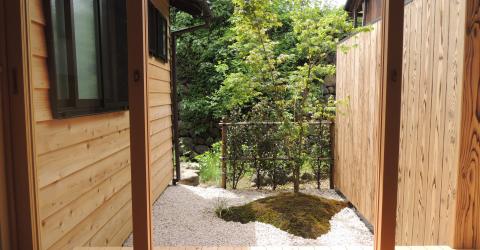
Japan offers a wide variety of accommodation options to suit all tastes and budgets. In addition to ordinary hotels, opt for ryokans, traditional Japanese inns where you can sleep on tatami mats, don a yukata, and enjoy refined kaiseki cuisine, for a unique cultural immersion.
For travelers on a budget or looking to meet new people, hostels and capsule hotels are affordable alternatives where common spaces are shared. Typically Japanese, capsule hotels are an unusual concept to try out, especially in the heart of Tokyo or Osaka!
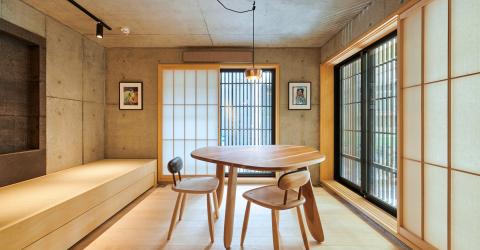
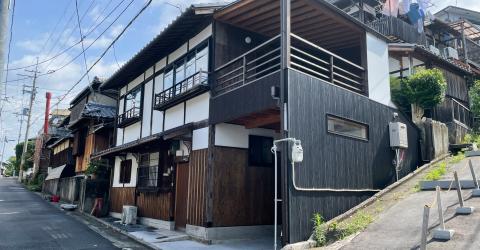
Finally, house or apartment rentals are an excellent choice for group or family travel, offering larger, more intimate spaces. You'll be able to book all kinds of homes to suit your preferences, from small, plush apartments to large, traditional Japanese houses. Japan Experience includes the Travel Angel service, who welcomes you into your home and remains available for you.
Accommodation with Japan Experience

What are some cool things to do in Japan?
Japan is full of activities to discover, both traditional and unusual. During your stay, consider including some of these activities to enrich your experience of the country and immerse yourself in Japanese culture.
- Discover the local cuisine: Japanese cuisine is rich and varied, and each region of Japan has its own specialty. Indulge in delicious sushi, ramen made in front of you, Japanese curry and regional specialties such as okonomiyaki from Hiroshima.
- Attend a matsuri: In any season, but especially in summer, traditional Japanese matsuri festivals are an integral part of Japanese culture, offering visitors a unique opportunity to discover local customs, spirituality, crafts and gastronomy.
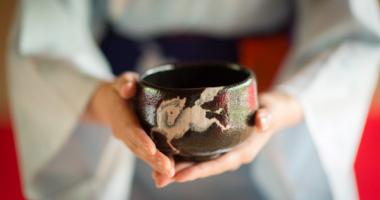
- Attend a tea ceremony: Attending a tea ceremony in Japan offers a unique cultural immersion, allowing you to discover tradition, aesthetic simplicity, and savor high-quality tea while enjoying harmony and meditation.
- Relax in a hot spring (onsen): A must-see experience in Japan, these natural hot springs, whether outdoors, in nature or in an institution, offer a balance between relaxation and culture.
- Visit theme parks: From Disneyland and Disney Sea to Universal Studio, Ghibli Park and Studios Harry Potter, Japan has many theme parks that are unique in the world!
Take a look at some of the fun activities we offer!

Things to know about the local culture and customs
Japan has its own particular customs and traditions, and it's important to respect them during your stay. Here are just a few of them:
- Removing shoes: When entering a house, temple, capsule hotel or certain restaurants, it is customary to remove your shoes and wear the slippers provided.
- Tipping: Unlike many cultures, tipping is not customary in Japan. Service is generally included in the price.
- Cell phones: Don't talk on the phone on public transport, and turn down the volume in public places.
- Eating while walking: Eating while walking is frowned upon in Japan, depending on the type of food. Hand-held food at a festival may be okay, but, in general, if you want a snack, stop and take your time!
- Smoking: In big cities like Tokyo or Yokohama, smoking in the street is forbidden. To smoke outside, there are smoking areas, demarcated by ground markings, signs or enclosed spaces.
- Queuing: Queuing discipline is very important. Wait patiently for your turn, whether you're getting on public transport or accessing a shop.
- Waste sorting: Japan has a very precise waste sorting system. Make sure you follow local rules for recycling and composting.
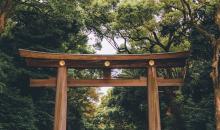
- Respect for sacred sites: Temples and shrines, even if open to tourism, remain places of worship, practice and contemplation. It’s important to remain respectful at these sites of worship.
Respecting these habits and customs will help you to integrate smoothly into Japanese culture and have a more enriching travel experience.


All about Japan

Other themes :
- Trains in Japan
- Attractions and Excursions
- Before you Travel
- Books on Japan
- Events and Festivals
- Family Travel
- Getting Around Kyoto
- Getting Around Tokyo
- Itineraries for Japan
- Japanese Food and Drink
- Japanese History
- Japanese Language
- Japanese Movies
- Japanese Pop Culture
- Japanese Stations
- Markets in Japan
- Museums and Galleries
- Nightlife in Japan: Going out, exploring and drinking
- Onsen, Hot Springs and Public Baths
- Outdoor Activities
- Parks and Gardens
- Restaurants and Cafes
- Shinkansen Travel Tips
- Shopping and souvenirs
- Temples and Shrines
- Understanding Japan
- Unique Trains in Japan