Japanese Matsuri 祭

Dancing at a Matsuri in Tokyo
Photo by Colour Comet on Unsplash

Gion Matsuri Kyoto
Image by AKI HIGASHINO from Pixabay
Spring, summer, fall, and winter, Japanese festivals are held throughout the year and celebrated up and down the country. The type of festival varies from region and season.
Japanese Festivals
Japan is known for the color and exuberance of its festivals - matsuri - connected with shrines and temples across the nation.
Japanese festivals are often connected with special historical events, fertility rites or prayers to the gods for good health.
Some festivals are nationwide events such as the Doll's Festival in March, the Boy's Festival in May, Tanabata Festival in July, the Obon Festivals in August and Shichogosan in November.
Many Japanese festivals involve a procession with a mikoshi or giant floats pulled through the streets with participants in period dress or happi coats.
Japanese matsuri are also known for their decorative food stalls, set up for the duration of the festival: Yakisoba, takoyaki, yakitori, taiyaki, kakigori and karaage are just some of the snacks on offer. Enjoying these Japanese specialties are all part of the celebration.
Originally, the word matsuri was a generic name for all Japanese Shinto ceremonies. In Japanese, matsuru means "to honor", "to celebrate the gods". In modern Japan, matsuri means both "festival" and "celebration" in the religious sense. Each town and village celebrates its own matsuri, where everyone and anyone can join in.
Japanese festivals are connected with the changing seasons beginning with the New Year or Ganjitsu when people across the country visit a shrine or temple to pray for good fortune over the next 12 months.
Setsubun festivals in February mark the end of winter and the coming of spring by the lunar calendar followed by peach blossom or Hina Matsuri in March.
The hot Japanese summer is marked by Obon festivals in July and August and prayers for the souls of departed ancestors. Although a solemn occasion, Obon is also a time for joyous dances in such places as Gujo Hachiman and the Awa Odori in Tokushima, Shikoku, as the souls of family members are thought to return for a brief visit and a knees-up.
Autumn is the time for a number of harvest festivals as the rice is collected and the first sake of the year is made and celebrated.
Kyoto and Tokyo are especially well-known for their colorful festivals but every region in Japan can boast some remarkable and often quirky events. See below for a listing of Japanese festivals by season.
Spring Festivals in Japan
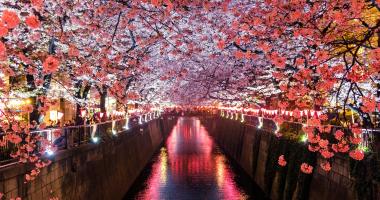
In spring, the majority of matsuri are organized around the flowering of Japanese cherry trees. During this popular season comes the tradition of Hanami, a time of celebration where family, colleagues and friends gather to picnic under the branches of the cherry blossoms.
You can experience this at the Kawazu cherry tree festival, or at Ueno Park or Hirosaki park and have your very hanami party.
Summer Festivals in Japan
- Tanabata Aomori
- Nebuta Matsuri
- Mitama Matsuri
- The Hakata Gion Yamakasa Festival
- Gion Matsuri in Kyoto
Fireworks and Yukata are Japanese summer festival staples due to the colorful displays. The light summer cotton kimono know as a "Yukata" comes in many designs and colors and lends itself perfectly to summer celebrations. The fireworks, know as hanabi in Japanese lights up the skies.
Autumn Festivals in Japan
- Koyo, Autumn Leaves in Japan
- Kamaishi Festival
- Kawagoe Matsuri
- The Jidai Matsuri
- Hakone Daimyo Gyoretsu
- The Takayama Matsuri
Many festivities during October and November are arranged around the changing of the leaves in fall. Called Koyo, this red and gold autumn is highlighted through evening lighting shows.
It is also an opportunity to taste the delicious culinary specialties that are based on the seasonal foods of persimmon, ginkgo nuts and sweet potato!
Winter Festivals in Japan
- Asahikawa winter festival
- Kobe Luminarie
- Kasuga Wakamiya-on matsuri
- Yamataki festival
- Setsubun, the spring festival
Winter is often regarded as one of the best seasons to visit Japan; its dry and sunny climate promises visitors the best conditions for exploring. During the winter months, Japan's northern island of Hokkaido and mountainous regions are guaranteed snow. Most festivals and events held during the winter celebrate the snow and this magical season.
But the essential winter festival in Japan is the Yuki Matsuri, the Sapporo Snow Festival.
Other snow matsuri are organized all over Japan, like the Yokote Kamakura snow festival. Festivals may be cancelled or postponed without much warning. Please check the local tourist office for confirmation.