Japan Experience, far more than a trip

The Leading Japan Travel Specialist
Trusted by more than 300,000 travelers each year
Direct Assistance and Support
Our team of passionate individuals works with you directly, no intermediary needed
A trip made just for you
All of your Japan travel essentials in one place
Japan Experience, travel specialist to Japan since 1981
Travel specialist to Japan since 1981
Japan Experience offers you travel packages that adapt to your desires while offering an immersion in the Japanese culture and daily life.
Our unique and diverse catalog adapts to your desires: Japan Rail Pass, tours, accommodation, activities, car rentals, and various travel products. Japan Experience accompanies you on every aspect of your stay anchored by 40 years of experience and our knowledgeable passionate travel advisers.
Tailor your train travel
Making train travel even easier
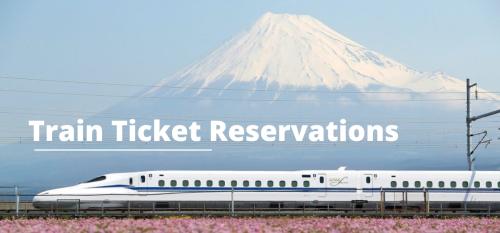
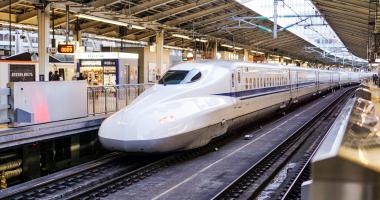
Through an official partnership with the National Japan Railways Group (JR), Japan Experience becomes the first and only authorized seller of train tickets outside Japan.
It allows travelers to customize their train itineraries, preferences, and timing without committing to a multi-use pass that may not fully align with their journey 🚅.
Spring is on its way!
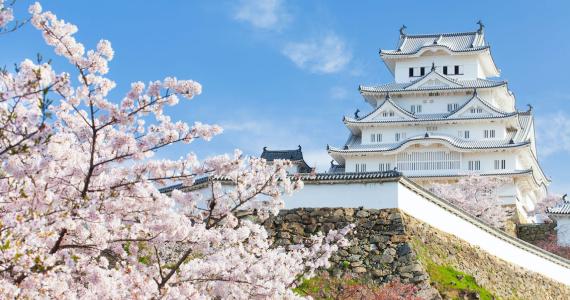
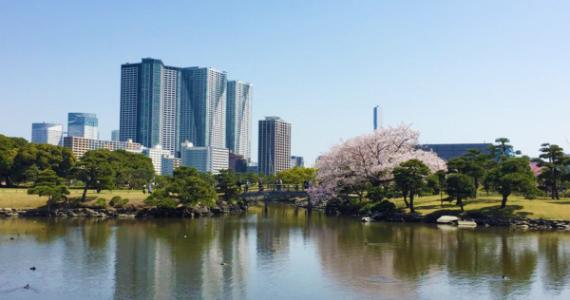
Top places to see the cherry blossoms in Japan 🌸
Don't miss the opportunity to see Japan's iconic springtime scenery in full bloom this year!
To better prepare your itinerary for your trip to Japan and enjoy the best possible Hanami, we keep you updated on the blossom forecasts each year.

Our top recommendations


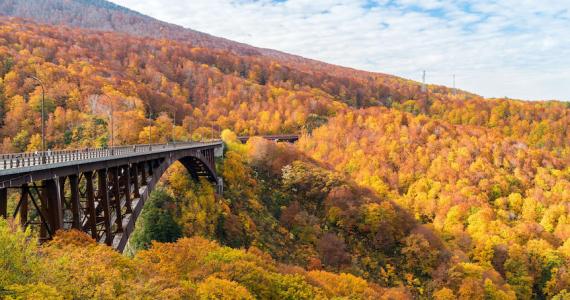
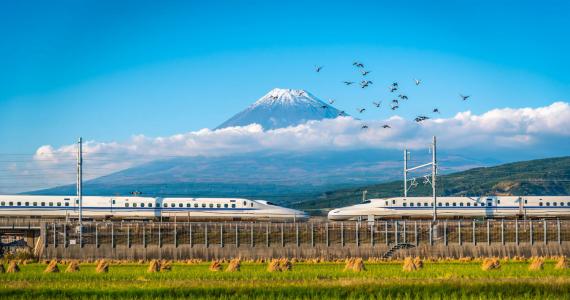
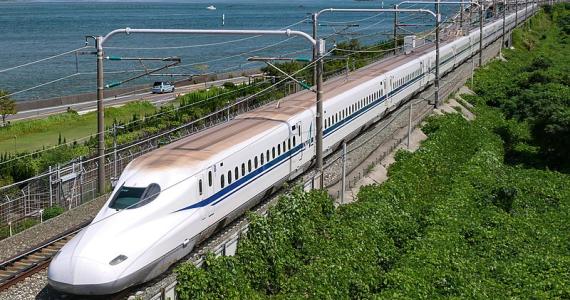

Our latest articles
Discover our latest articles and news to know everything about Japan

Explore Japan your way
Discover Japan through our different travel themes

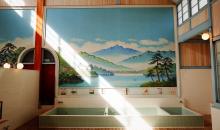
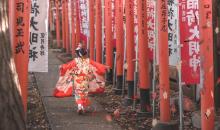
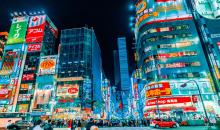
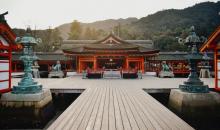
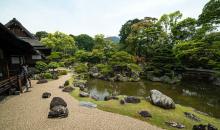



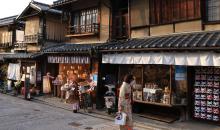
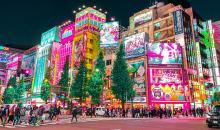
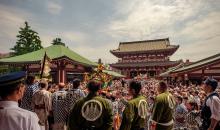
Find your ideal destination
The best cities to explore for your next trip to Japan
Popular cities Choose a city
Tokyo
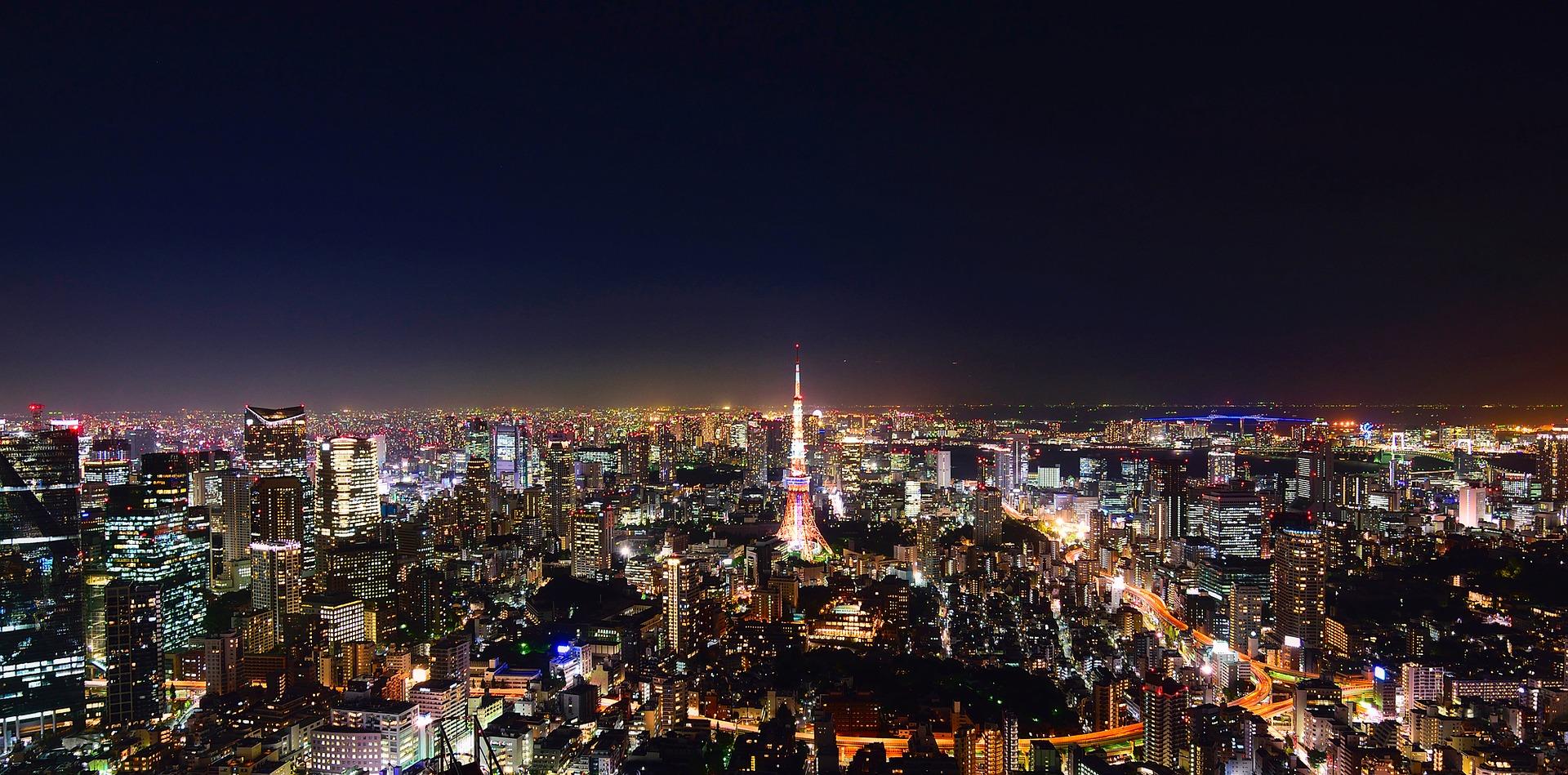
Find all you need to know about Tokyo, Japan's bustling capital: Tokyo area guides, Tokyo parks, Tokyo museums and the city's restaurants and bars.
Explore TokyoKyoto
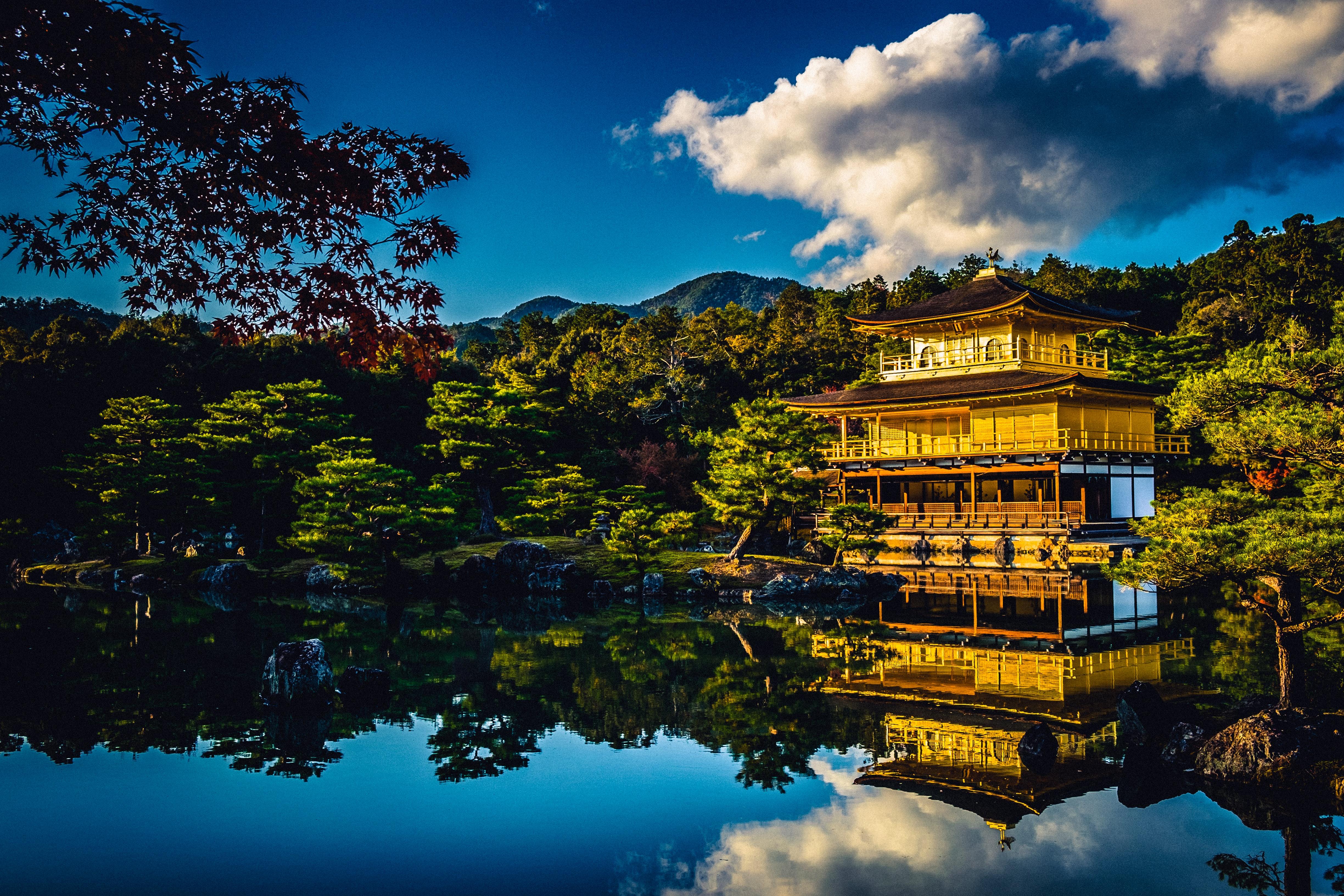
Kyoto, the former imperial capital, is the most visited city in japan after Tokyo. It is traditional, spiritual, gastronomic and modern all at once, the city is an infinite source of fascination for those who explore it. Visiting Kyoto is an opportunity t...
Explore KyotoKanazawa
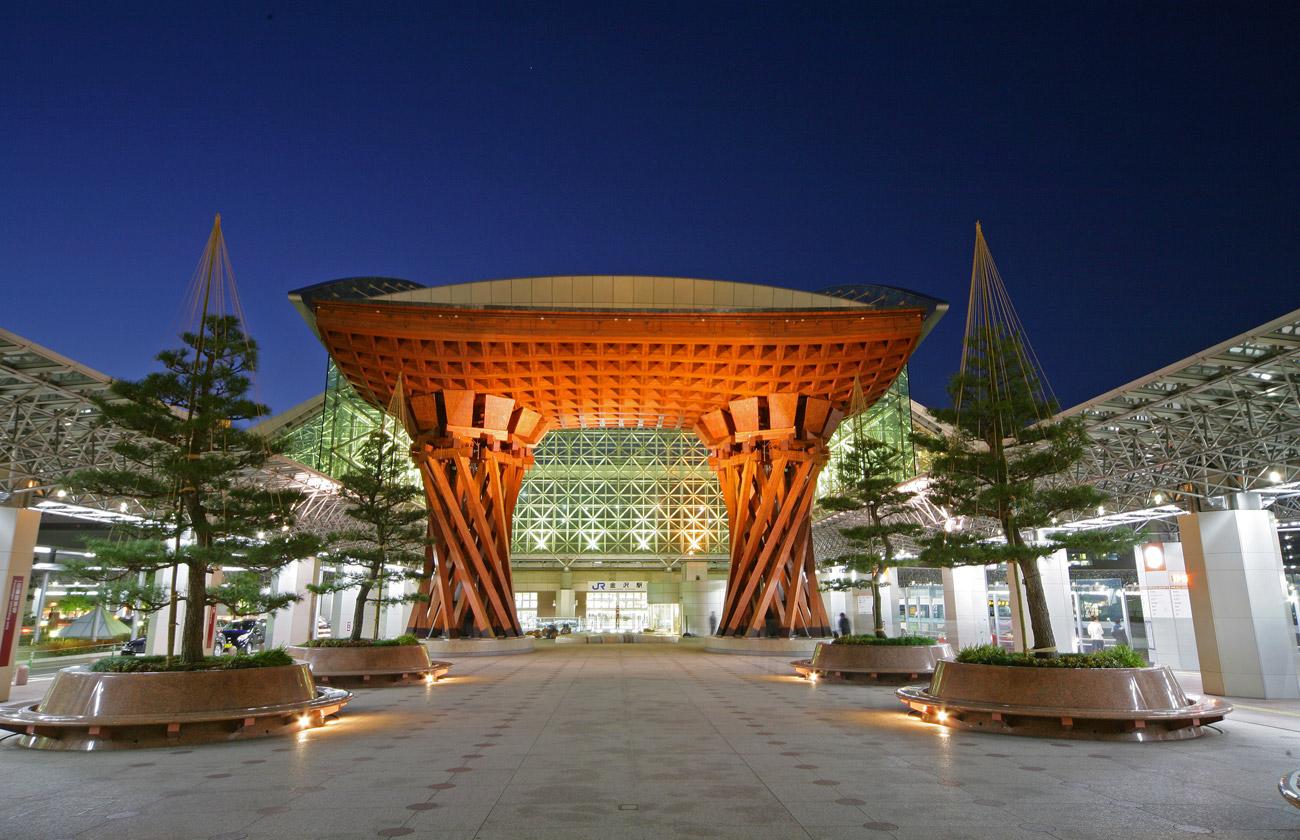
This medium-sized city, nestled between the Sea of Japan and the Japanese Alps, has plenty to offer travelers: exceptional historical sites, renowned art museums, traditional cuisine and refined craftwork. Kanazawa is a must-see destination.
Explore KanazawaOsaka
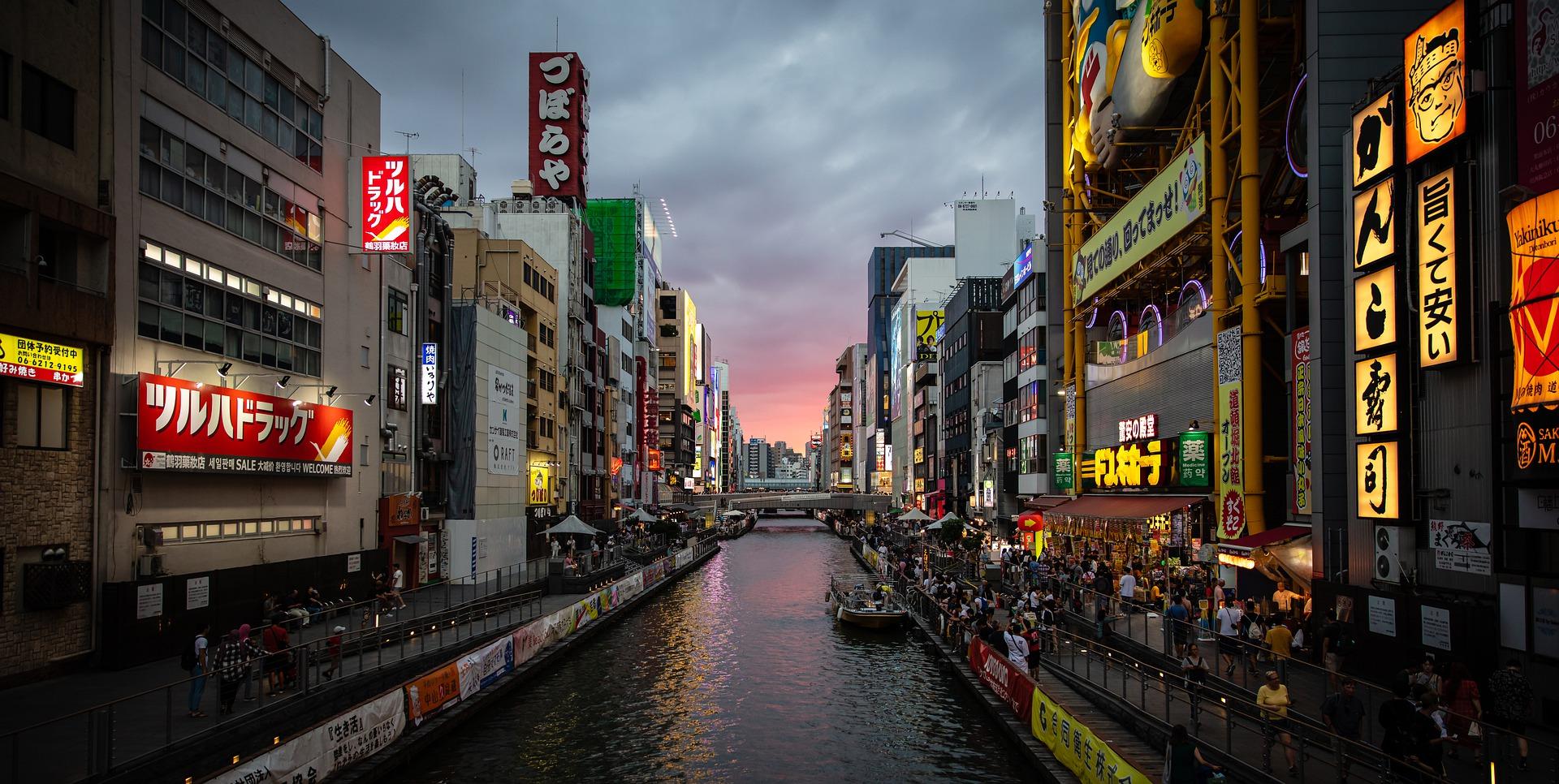
Some impressions endure time and appeal to generations to come. In Japan, Osaka is always looking to the future. A major hub of innovations, the economic capital of Kansai has a taste for commerce, audacity, and hospitality. Today, Osaka is the third...
Explore OsakaNara
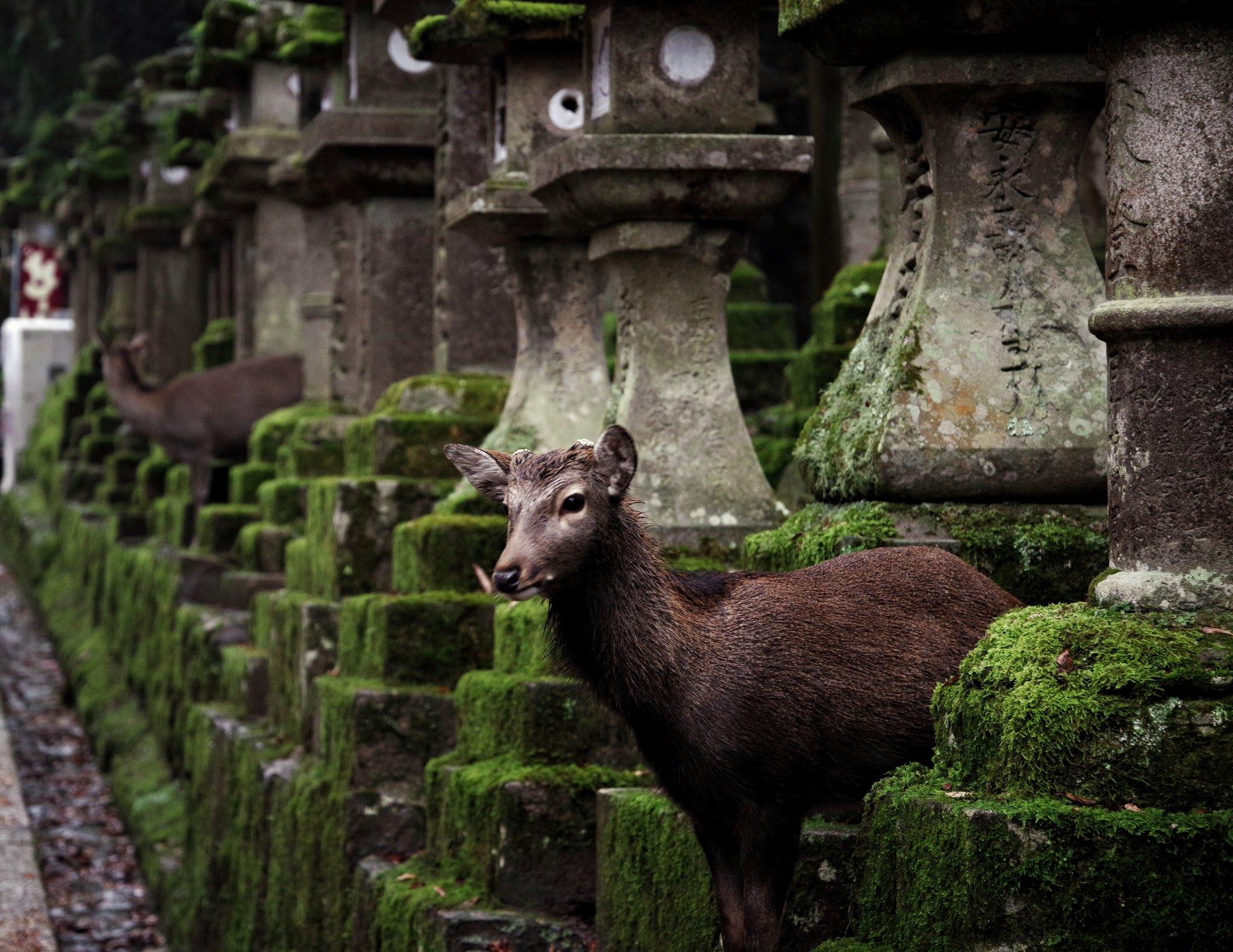
Nara is located in the Kansai region and was Japan's first imperial capital. Nara has a wealth of historical and cultural heritage and of course deer. Home to many treasures that would be a shame to miss on your visit to Japan.
Explore NaraHiroshima
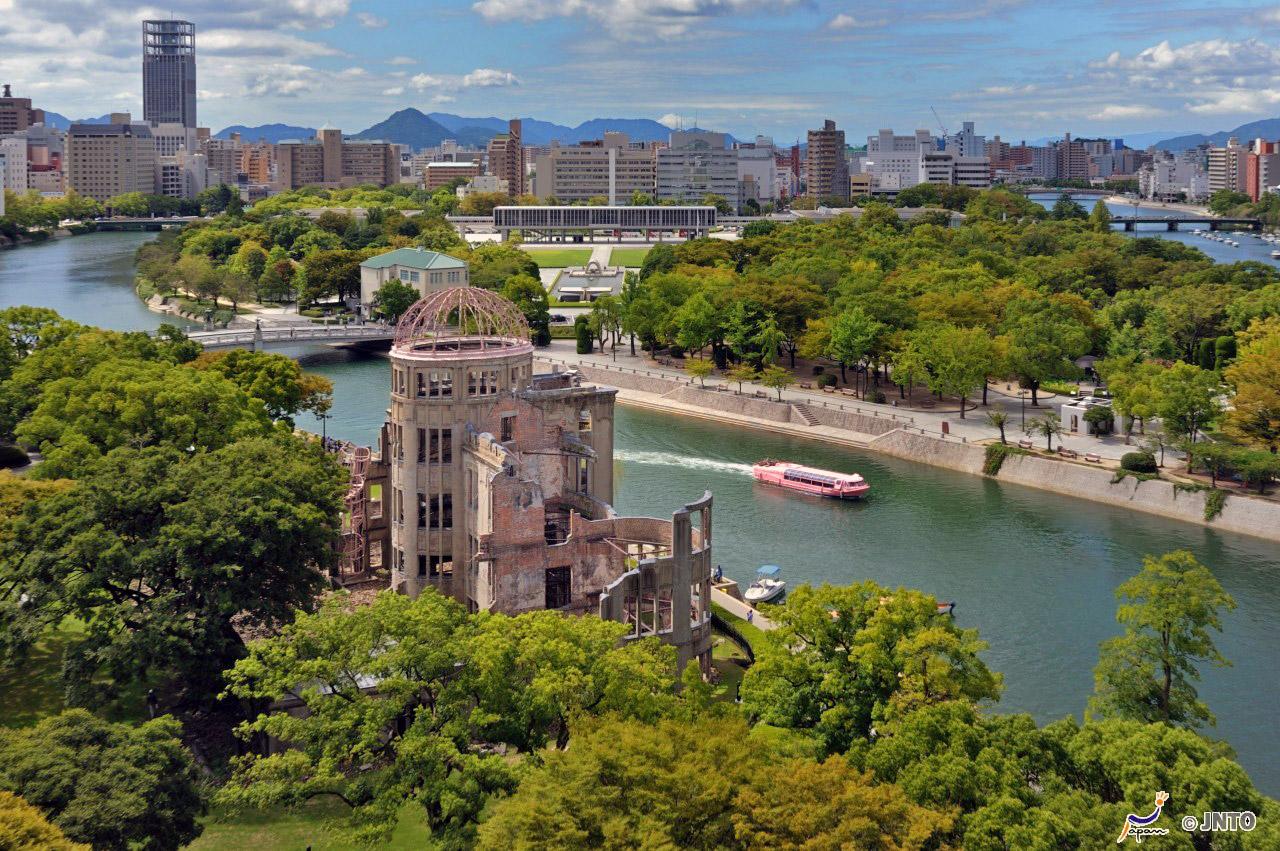
What is Hiroshima about? Of a trauma, that of the first atomic bombing, the atrocity of nuclear fire revealed to humanity. Of an ideal, that of a radical and unapologetic pacifism that constantly reminds the world of the true face of war. A city, last but...
Explore Hiroshima-
Tokyo
-
Kyoto
-
Kanazawa
-
Osaka
-
Nara
-
Hiroshima
-
Takayama
-
Takamatsu
-
Kobe
Our tours in Japan
It is time to explore Japan!
Japan Experience offers unlimited vacation possibilities to explore Japan. Our tours are the best way to ensure that you do not miss seeing any of the highlights of Japan.
© Andre Benz, Unsplash
Discover all of our products to travel in peace

What our customers say about us
Your opinion is important